Chiropractic Technique
Graston / IASTM
Stainless steel instruments that find — and resolve — fascial restrictions hands cannot reach.
What is Graston / IASTM?
Graston Technique is the most widely recognized form of Instrument-Assisted Soft Tissue Mobilization (IASTM). It uses specially designed stainless steel instruments to detect and treat fascial restrictions, scar tissue, and chronic soft tissue dysfunction. The instruments amplify what the clinician feels — small adhesions and 'gritty' areas become easier to localize and address than with hands alone.
The controlled mechanical input also stimulates a localized inflammatory response, which encourages remodeling of dense, disorganized tissue — particularly useful in chronic tendinopathies that have stalled with rest, stretching, or generic massage.
At Functional Restoration Institute we use Graston/IASTM in combination with eccentric loading, mobility work, and movement re-training so the tissue is rebuilt as well as released.
Benefits
Benefits of Graston / IASTM
Targets chronic tendinopathy
Particularly effective for long-standing tendon issues where rest alone has not produced lasting change.
Detects subtle restrictions
The instruments transmit feedback to the clinician's hand, making it easier to find and treat focal areas of fascial restriction.
Stimulates tissue remodeling
Controlled mechanical input triggers a localized healing response that helps disorganized tissue lay down in a more functional pattern.
Improves range and pain-free loading
Patients commonly experience improved mobility and less pain on contraction within a small number of sessions.
Pairs well with strength work
Best results come when IASTM is combined with progressive loading — exactly how we structure care at FRI.
Your Visit
What to Expect at FR Institute
After identifying the area of concern, your provider applies a lubricant and uses one or more Graston instruments with controlled strokes across the tissue. You may hear a slight grating sensation in restricted areas — this typically reduces as the tissue responds.
Mild redness (petechiae) is normal and not a bruise. Most patients feel looser and freer immediately, with some mild soreness for 24 hours. Treatment is paired with a specific exercise prescription so the tissue rebuilds in the direction you want it to.
- 1
Assessment
Hands-on testing and movement analysis to identify exactly what is driving your symptoms.
- 2
Treatment
Targeted application of Graston / IASTM, integrated with the broader plan you and your provider build together.
- 3
Recovery Plan
Clear next steps, take-home work, and re-assessment points so progress is measurable — not assumed.
Conditions
Conditions This Technique Helps
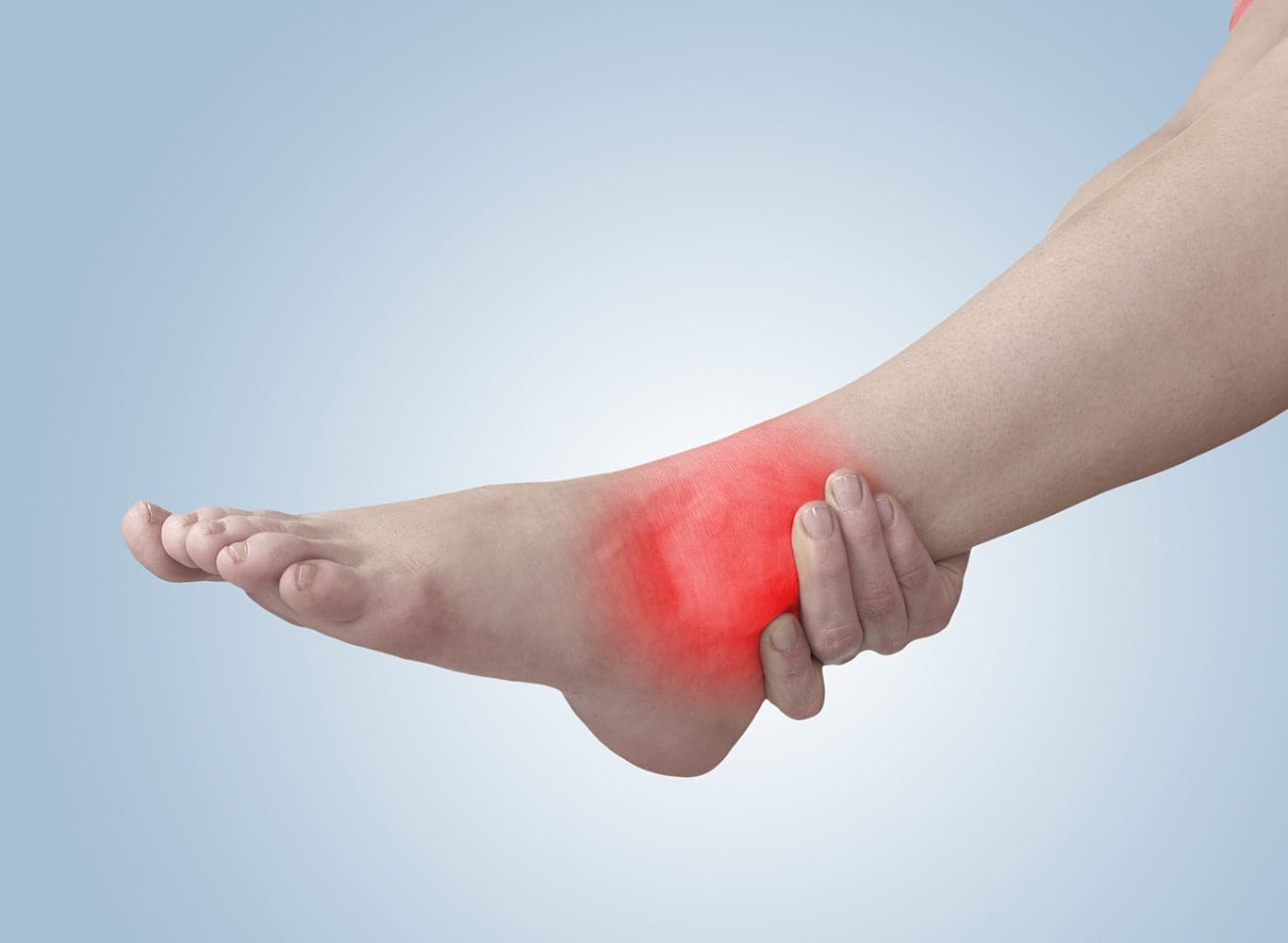
Tendinopathy
Chronic tendon degeneration causing persistent pain and reduced function.
Learn More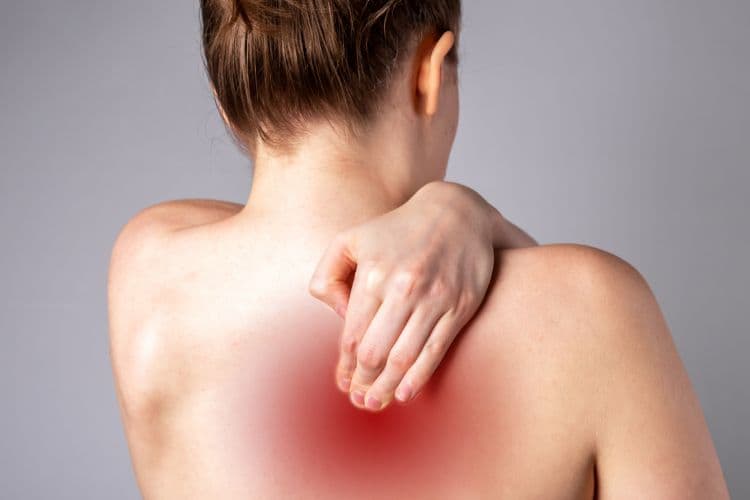
Myofascial Pain
Restore fascial glide, mobility, and comfort with a 96% success rate.
Learn More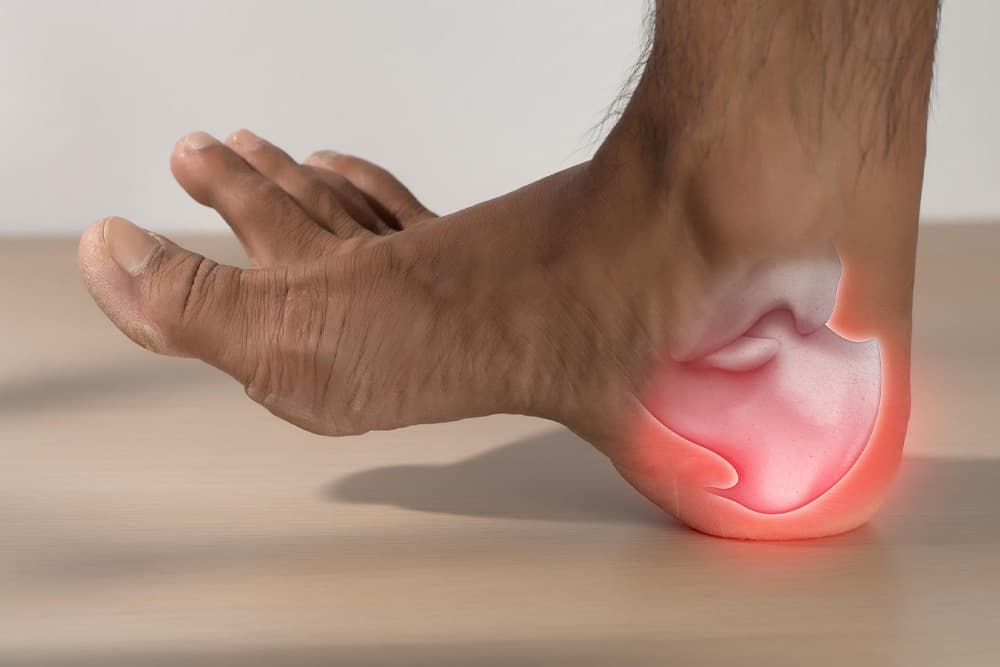
Plantar Fasciitis
Heel and arch pain from inflammation of the plantar fascia.
Learn More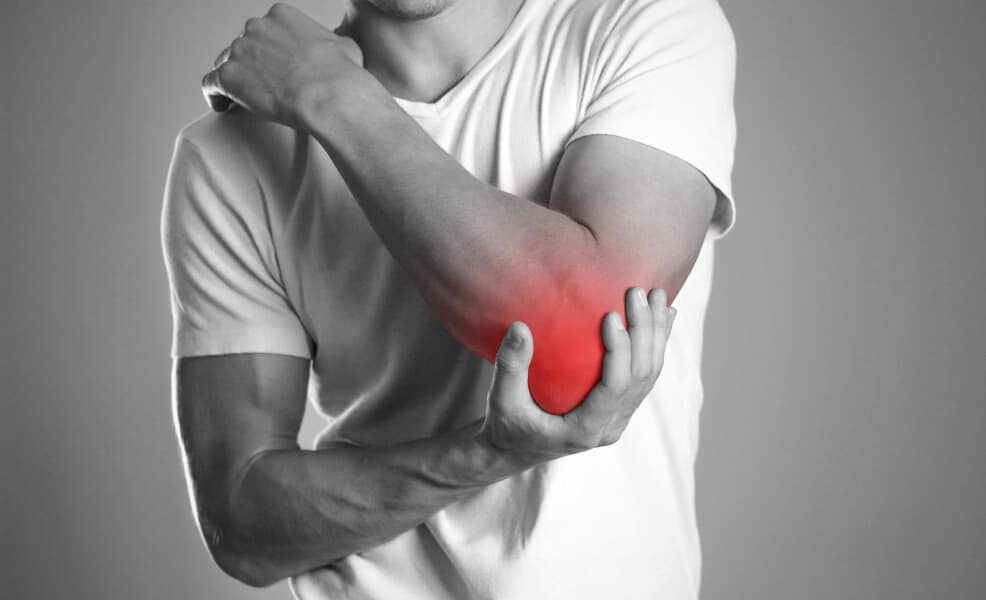
Elbow Pain
Lateral and medial epicondylitis and nerve entrapment at the elbow.
Learn More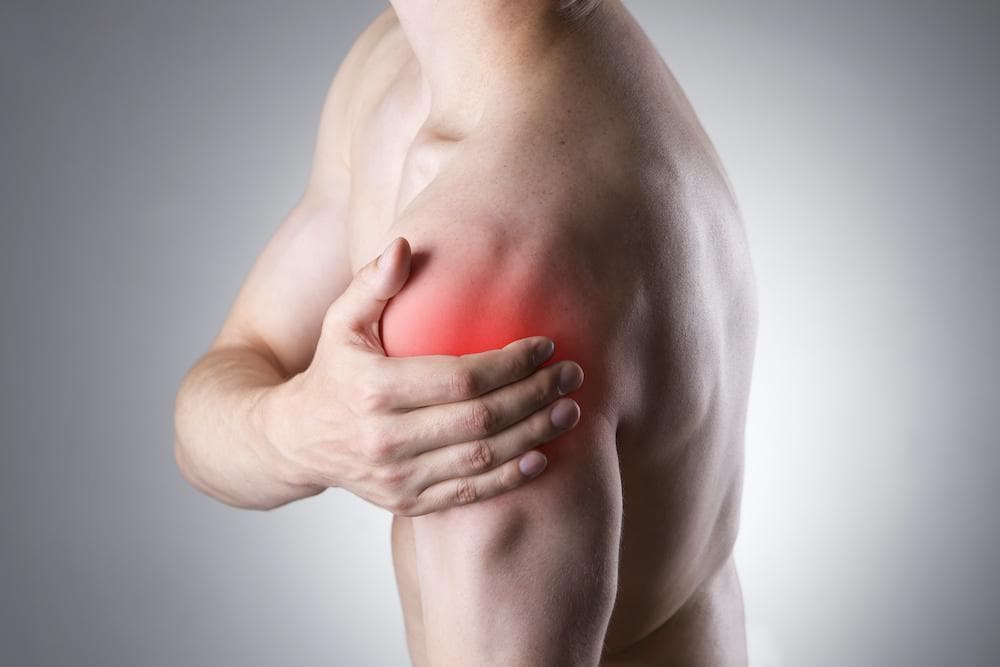
Rotator Cuff Injuries
Shoulder muscle and tendon damage from injury or overuse.
Learn MoreExplore More
Other Techniques in Chiropractic Sports Medicine
Frequently Asked
Frequently Asked Questions
Schedule Your 20-Minute Complimentary Consultation
Find out if Graston / IASTM is the right approach for your goals. No pressure — just clarity on your next step.