
Chiropractic Technique
Kinesio Taping
Elastic therapeutic tape that supports tissue and re-cues the nervous system — without restricting motion.
What is Kinesio Taping?
Kinesio tape is a thin, elastic, breathable therapeutic tape applied to the skin with specific tension and direction. Unlike rigid athletic tape, it does not restrict joint motion. Instead, it provides subtle mechanical and neurological input that the nervous system uses to support the underlying tissue.
Depending on how it is applied, kinesio tape can decompress sensitive areas, facilitate underactive muscles, inhibit overactive ones, and provide proprioceptive feedback that improves how a joint senses position and load. It is also commonly used to support lymphatic drainage in swollen or post-injury tissue.
At Functional Restoration Institute, taping is rarely a stand-alone treatment. We use it to extend the effect of in-office care between visits — supporting tissue while you continue to move and load.
Benefits
Benefits of Kinesio Taping
Joint support without restriction
Tape provides directional support to joints and tissues while still allowing full functional range — ideal for return to activity.
Improved proprioception
The tape's input on the skin gives the nervous system better information about joint position, which can reduce pain and improve control.
Pain modulation
By altering input from the skin and underlying tissue, tape can reduce pain perception even when worn over chronic injury sites.
Lymphatic and edema support
Specific application patterns help reduce swelling and bruising, accelerating recovery after injury or surgery.
Extends clinic results
Tape continues working for 3–5 days, helping the nervous system retain what it learned during the session.
Your Visit
What to Expect at FR Institute
Your provider will assess the tissue and joint involved, then clean the skin and apply the tape with the precise direction and tension required for the goal — facilitate, inhibit, decompress, or support. Application takes only a few minutes.
Tape can typically be worn for 3–5 days, including in the shower. Most patients feel an immediate change in how the area feels or moves. Mild skin sensitivity is rare; let your provider know if you have any tape allergies.
- 1
Assessment
Hands-on testing and movement analysis to identify exactly what is driving your symptoms.
- 2
Treatment
Targeted application of Kinesio Taping, integrated with the broader plan you and your provider build together.
- 3
Recovery Plan
Clear next steps, take-home work, and re-assessment points so progress is measurable — not assumed.
Conditions
Conditions This Technique Helps

Shoulder Pain
Impingement, instability, and rotator cuff issues affecting shoulder mobility.
Learn More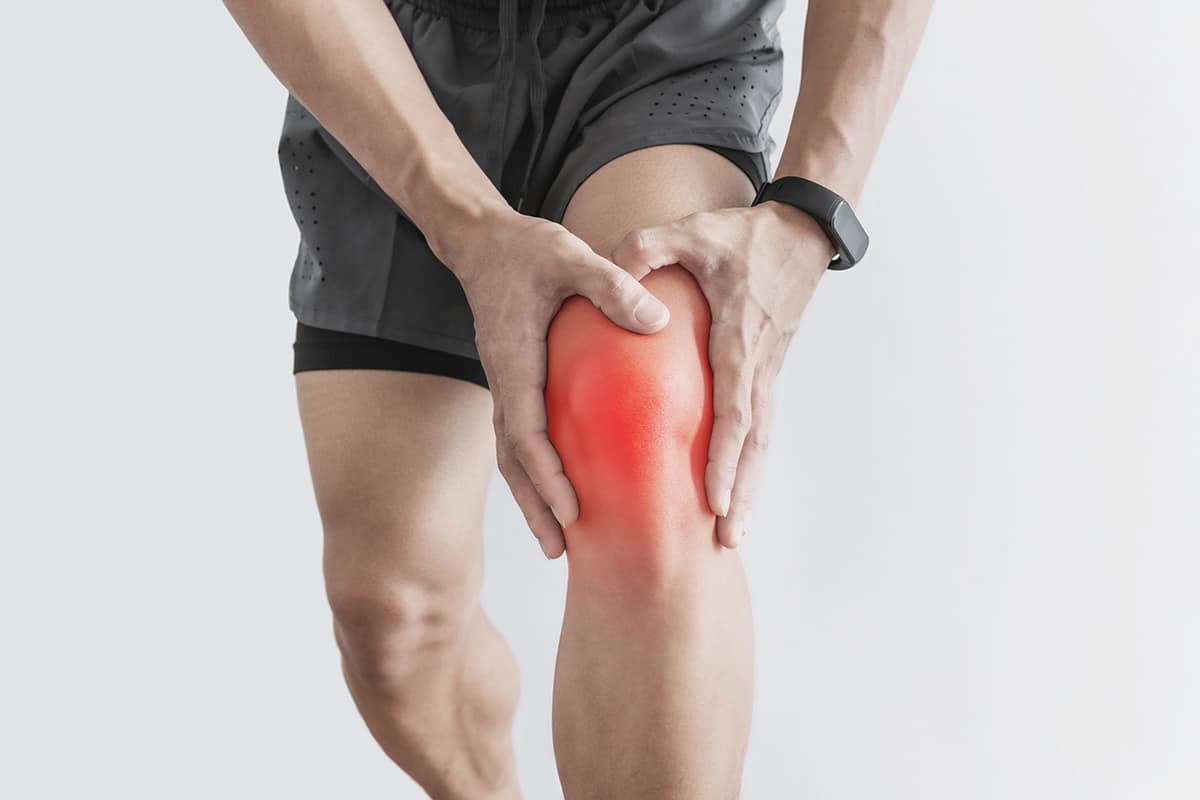
Knee Pain
Patellofemoral, ligament, and cartilage conditions affecting knee function.
Learn More
Ankle and Foot Pain
Lower extremity pain from injury, overuse, or structural dysfunction.
Learn More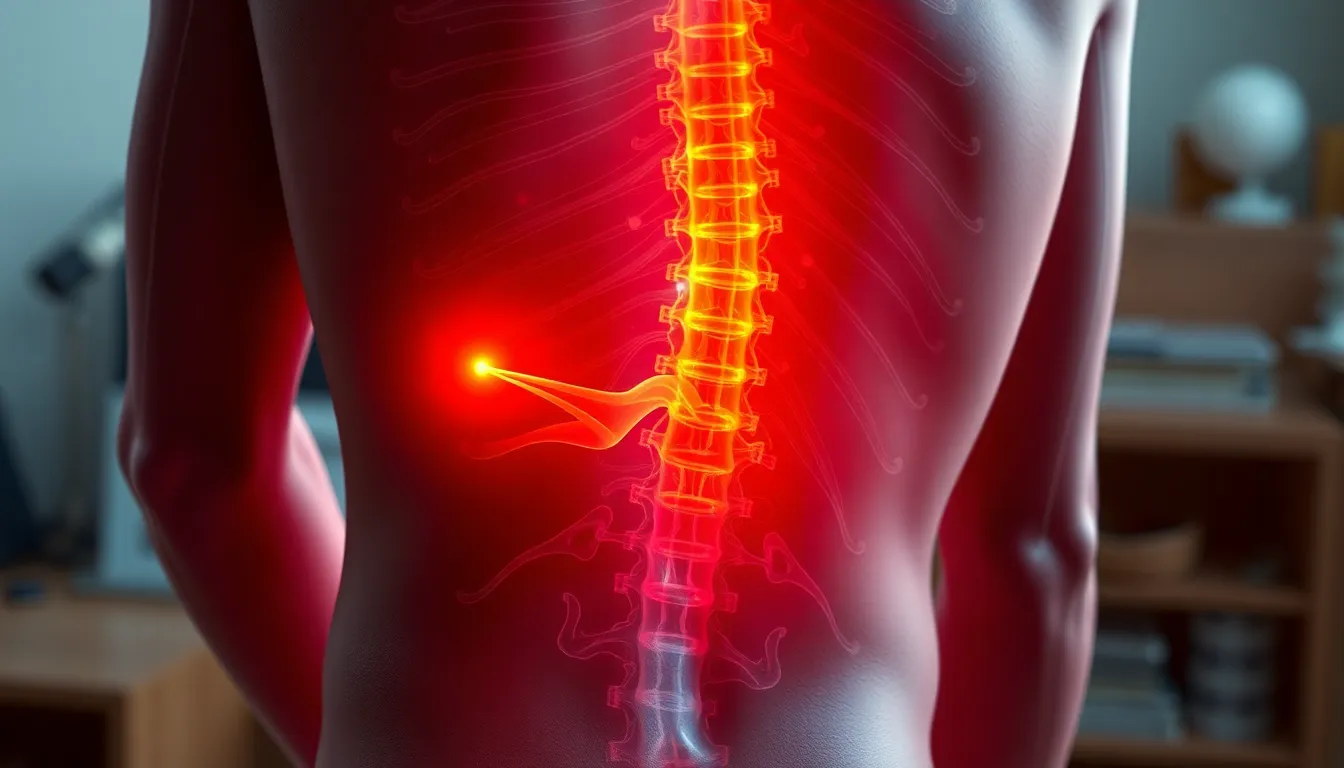
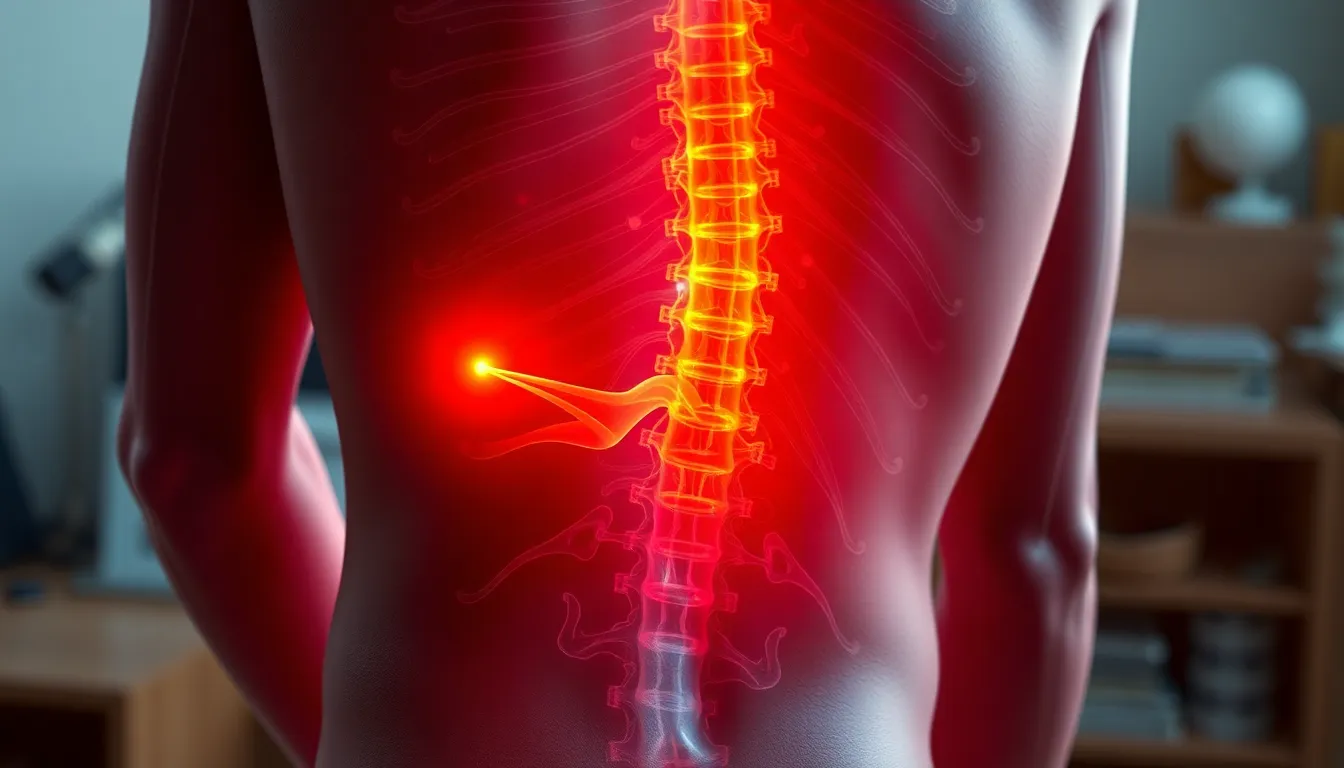
Lower Back Pain
Targeted, root-cause care for the lumbar spine — without medication or surgery.
Learn More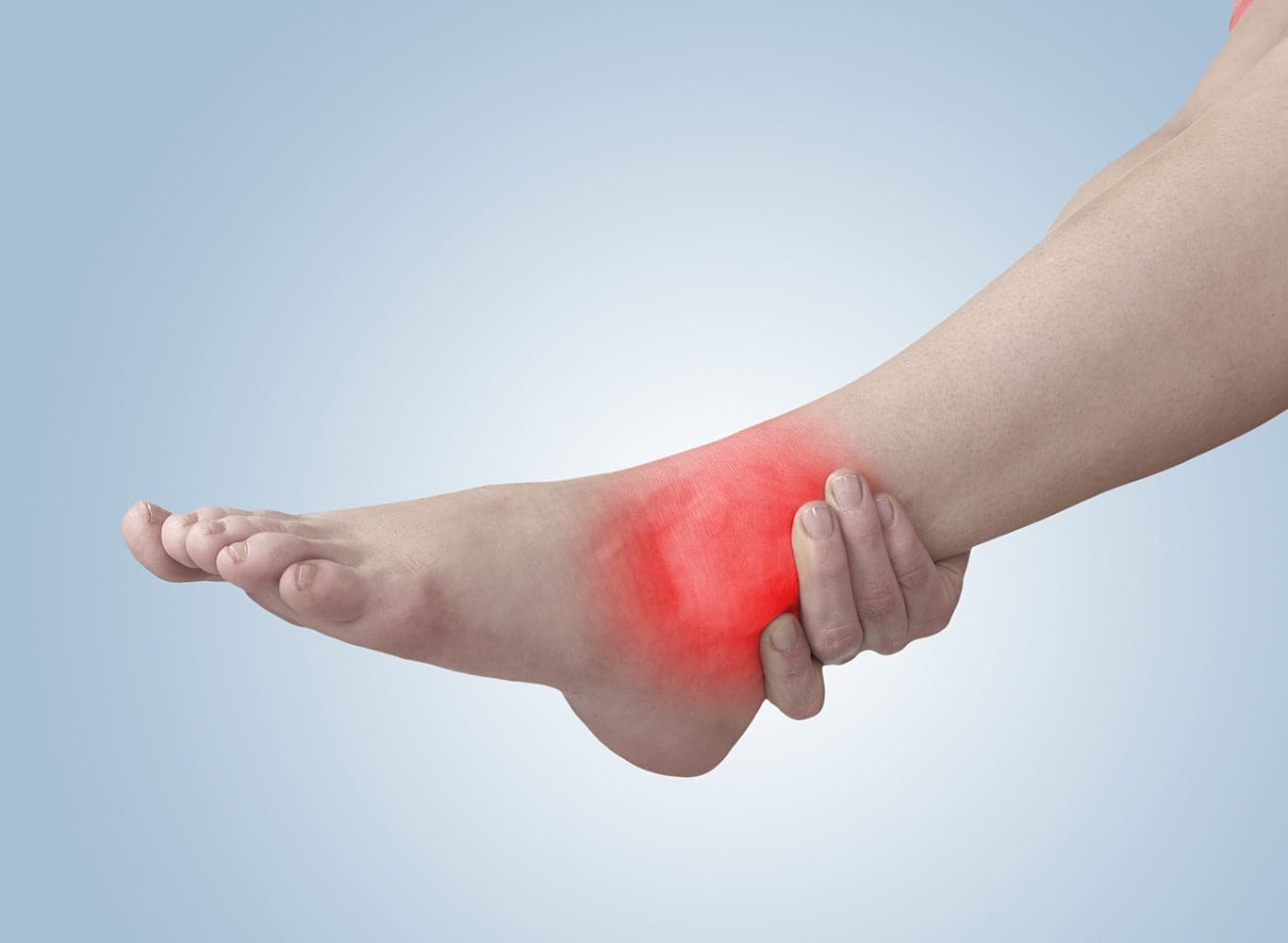
Tendinopathy
Chronic tendon degeneration causing persistent pain and reduced function.
Learn MoreExplore More
Other Techniques in Chiropractic Sports Medicine
Frequently Asked
Frequently Asked Questions
Schedule Your 20-Minute Complimentary Consultation
Find out if Kinesio Taping is the right approach for your goals. No pressure — just clarity on your next step.