
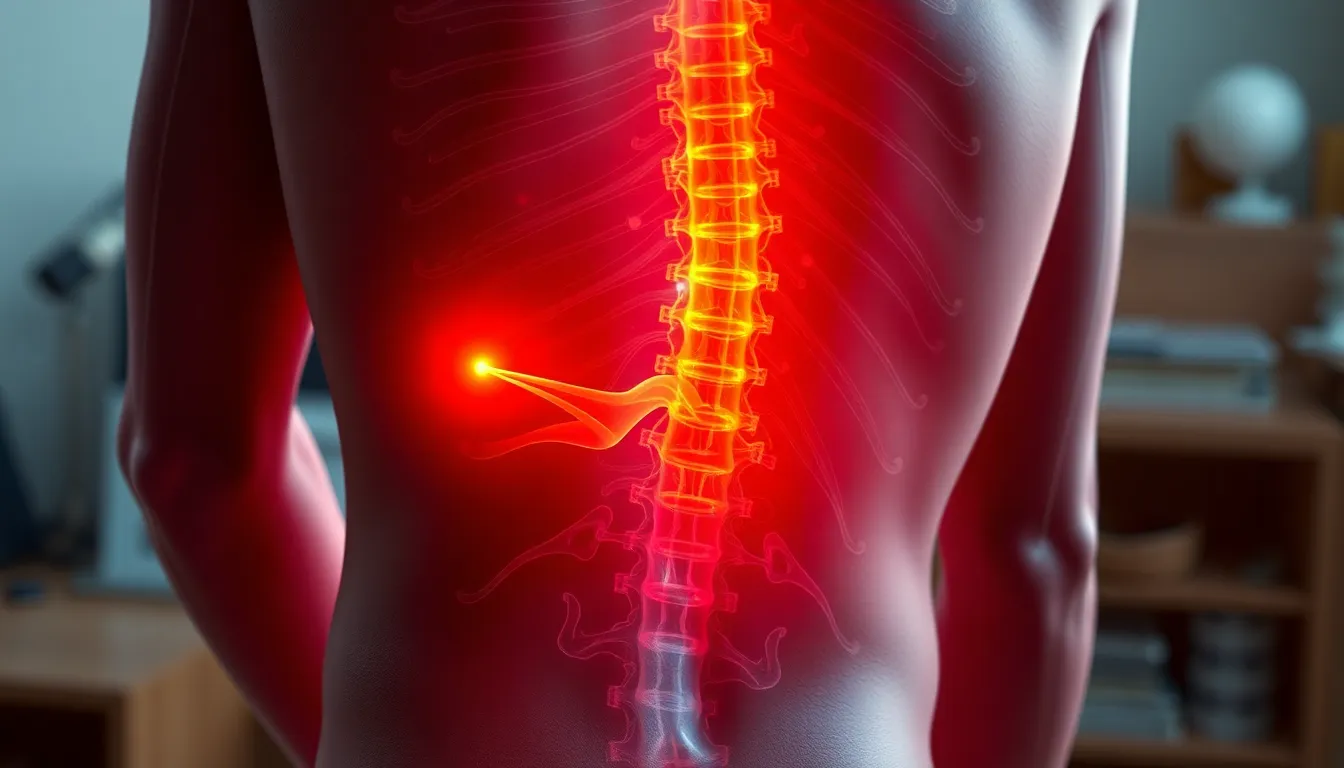
Chiropractic Technique
Cupping Therapy
Negative-pressure decompression that lifts and separates restricted tissue layers — the opposite of traditional massage.
What is Cupping Therapy?
Cupping therapy uses suction cups applied to the skin to create localized negative pressure. While traditional massage compresses tissue, cupping does the opposite — it lifts and decompresses, separating layers of skin, fascia, and muscle that have become bound or restricted.
This decompressive effect improves local circulation, encourages lymphatic flow, and reduces tone in protective muscle groups. We use both stationary cupping (cups placed and held over a region) and dynamic cupping (cups glided across the tissue with lubricant) depending on the goal.
At Functional Restoration Institute, cupping is used as part of a broader plan — typically before manual therapy to soften restricted tissue, or before corrective exercise to improve mobility through a target range.
Benefits
Benefits of Cupping Therapy
Decompresses restricted tissue
Negative pressure lifts and separates layers of skin, fascia, and muscle that have become adhered or compressed.
Improves local circulation
The vacuum draws blood into the area, accelerating delivery of oxygen and nutrients to recovering tissue.
Reduces protective muscle tone
Cupping consistently quiets overactive, guarding muscles — particularly in chronic neck, back, and shoulder cases.
Promotes lymphatic flow
The mechanical effect helps clear metabolic byproducts and supports recovery from training or injury.
Pairs well with movement
Cupping prepares tissue to respond to corrective exercise so the gains we make on the table actually hold.
Your Visit
What to Expect at FR Institute
Your provider will identify the restricted region, apply a small amount of lubricant if dynamic cupping is being used, and place the cups. You will feel a clear pulling sensation — uncomfortable at times but never sharp. Cups typically stay in place for 5–15 minutes, or are glided through the tissue for shorter sessions.
Circular marks are normal and are not bruises. They typically fade within a few days and are simply a sign of where stagnation existed in the tissue. Most patients feel looser and lighter immediately.
- 1
Assessment
Hands-on testing and movement analysis to identify exactly what is driving your symptoms.
- 2
Treatment
Targeted application of Cupping Therapy, integrated with the broader plan you and your provider build together.
- 3
Recovery Plan
Clear next steps, take-home work, and re-assessment points so progress is measurable — not assumed.
Conditions
Conditions This Technique Helps
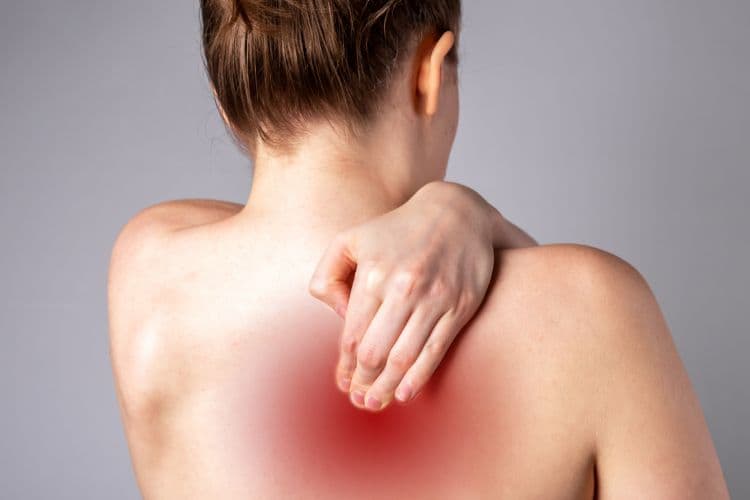
Myofascial Pain
Restore fascial glide, mobility, and comfort with a 96% success rate.
Learn More
Chronic Pain
An integrated, biopsychosocial approach to pain that just won't quit.
Learn More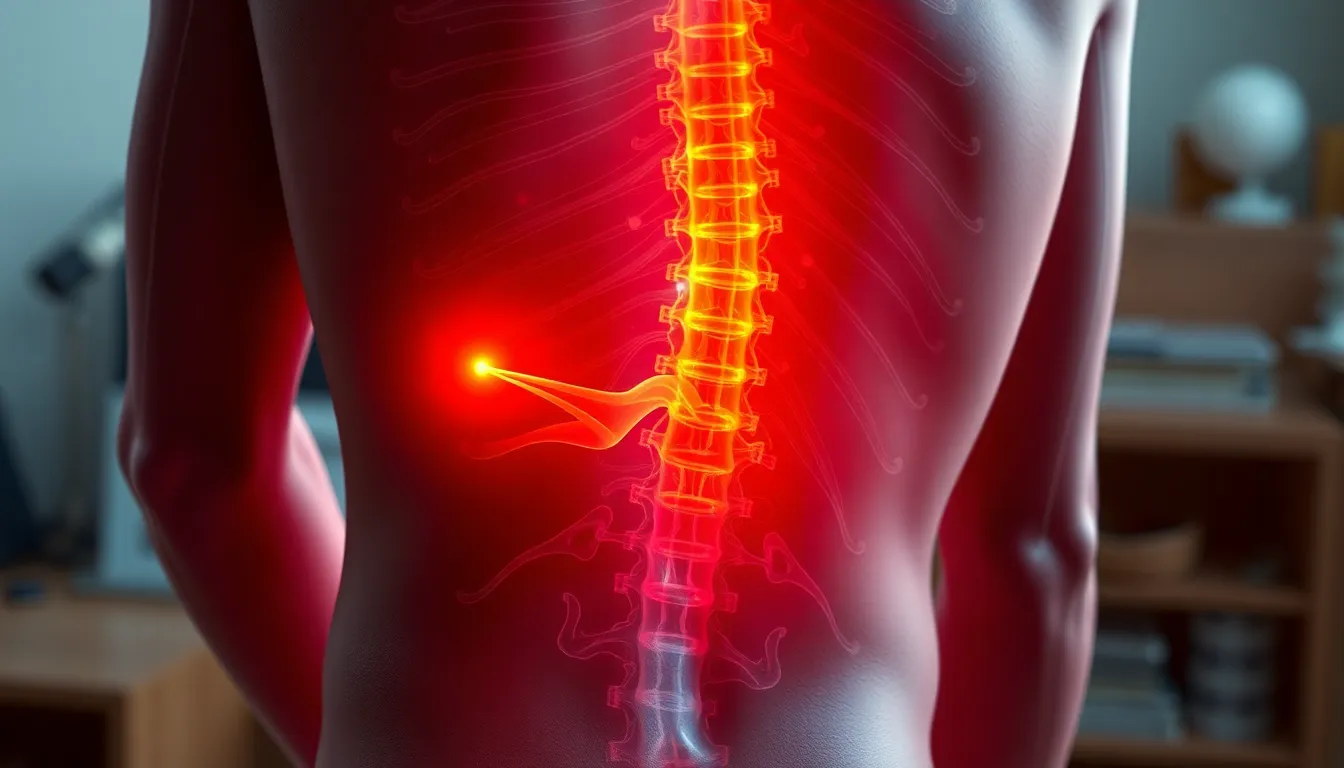
Lower Back Pain
Targeted, root-cause care for the lumbar spine — without medication or surgery.
Learn More
Neck Pain
Restore mobility, calm nerves, and ease your neck — without surgery or injections.
Learn More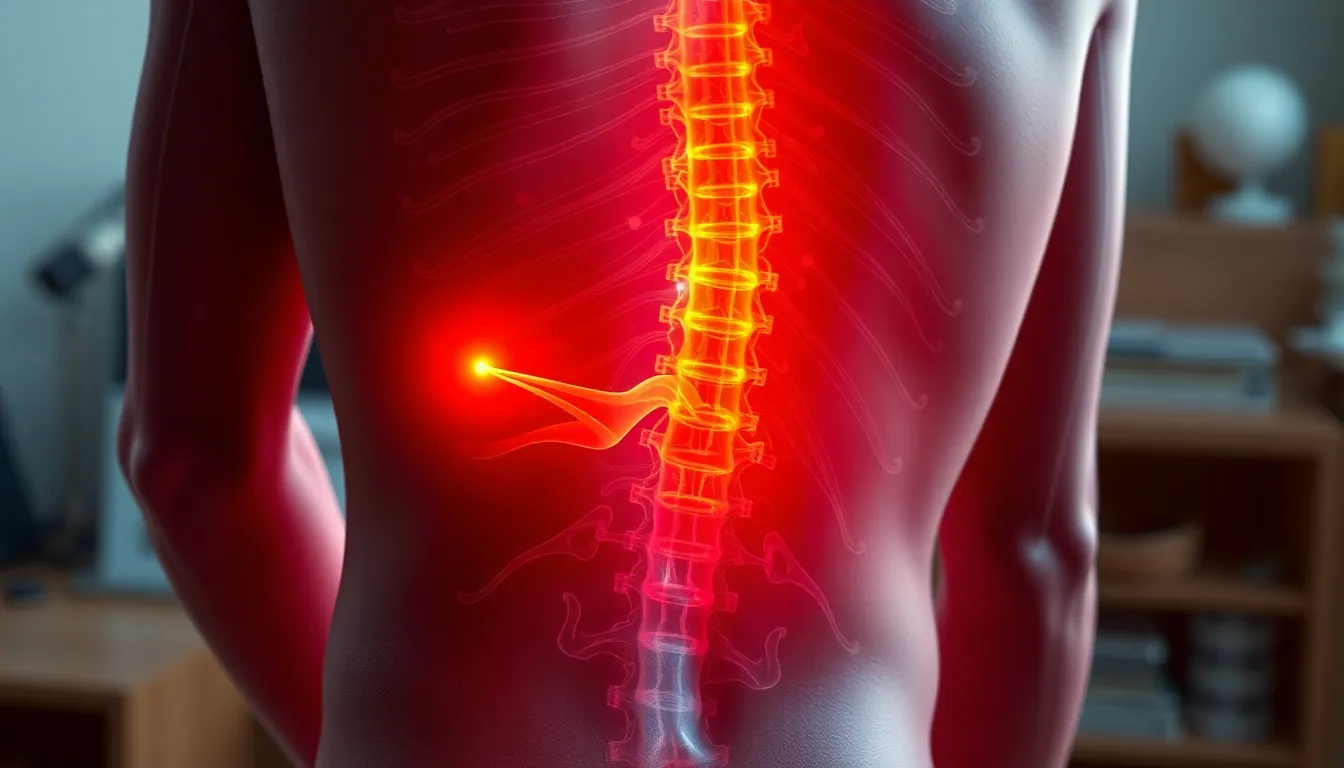
Fibromyalgia
Personalized care for widespread pain, fatigue, and the fog that comes with it.
Learn MoreExplore More
Other Techniques in Chiropractic Sports Medicine
Frequently Asked
Frequently Asked Questions
Schedule Your 20-Minute Complimentary Consultation
Find out if Cupping Therapy is the right approach for your goals. No pressure — just clarity on your next step.