
Chiropractic Technique
Active Release Technique (ART)
A movement-based soft tissue method that breaks up adhesions and restores how muscles, tendons, and nerves glide.
What is Active Release Technique (ART)?
Active Release Technique (ART) is a patented, hands-on soft tissue system designed to address adhesions and scar tissue in muscles, tendons, ligaments, fascia, and nerves. The clinician applies a precise contact and tension to the affected tissue while you actively move the body part through a specific range — combining manual pressure with motion to break up restrictions.
ART is particularly effective for overuse injuries, repetitive strain, and stubborn problems that have not responded to general massage or stretching. It is one of the soft tissue tools we reach for most often at Functional Restoration Institute, especially for athletes and patients with long-standing tendon or nerve entrapment issues.
Because it is movement-based, ART addresses how tissues actually function under load — not just how they feel at rest.
Benefits
Benefits of Active Release Technique (ART)
Releases scar tissue and adhesions
Targeted tension plus active motion separates layers of tissue that have become bound from injury, surgery, or repetitive strain.
Improves tissue glide
Restoring slide between muscle, fascia, and nerve allows full, pain-free movement and reduces compensatory loading.
Effective for nerve entrapments
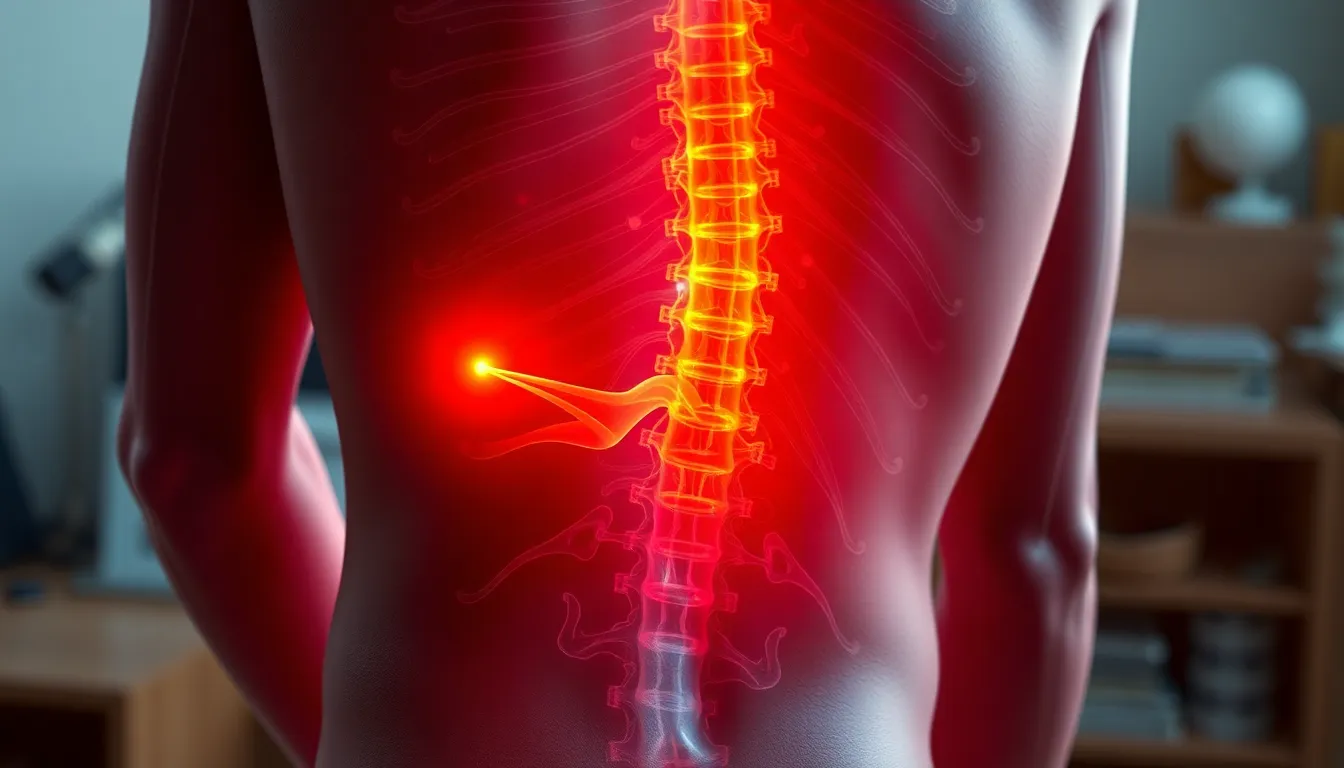
ART is particularly useful for conditions like carpal tunnel and sciatica where nerves are compressed or restricted by surrounding soft tissue.
Supports faster recovery
Athletes and active patients often return to training sooner because ART addresses the mechanical driver — not just the symptom.
Highly specific
Unlike general massage, ART targets a single defined structure at a time, so changes are precise and trackable.
Your Visit
What to Expect at FR Institute
Your provider will identify the exact tissue involved through palpation and movement testing, then apply pressure while guiding you (or asking you) to move that body part through a specific range. Sessions are short and focused — typically a few minutes per area.
ART can be intense, especially on chronically restricted tissue, but pressure is always titrated to what you can tolerate. Mild soreness for a day after treatment is normal. Most patients pair ART with corrective exercise to lock in the new tissue quality.
- 1
Assessment
Hands-on testing and movement analysis to identify exactly what is driving your symptoms.
- 2
Treatment
Targeted application of Active Release Technique (ART), integrated with the broader plan you and your provider build together.
- 3
Recovery Plan
Clear next steps, take-home work, and re-assessment points so progress is measurable — not assumed.
Conditions
Conditions This Technique Helps

Myofascial Pain
Restore fascial glide, mobility, and comfort with a 96% success rate.
Learn More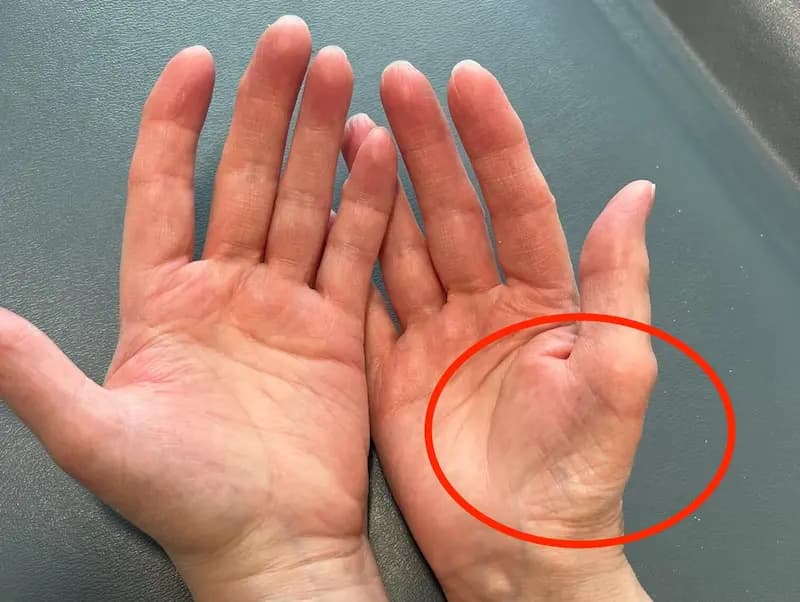
Carpal Tunnel Syndrome
Nerve compression in the wrist causing numbness, tingling, and weakness.
Learn More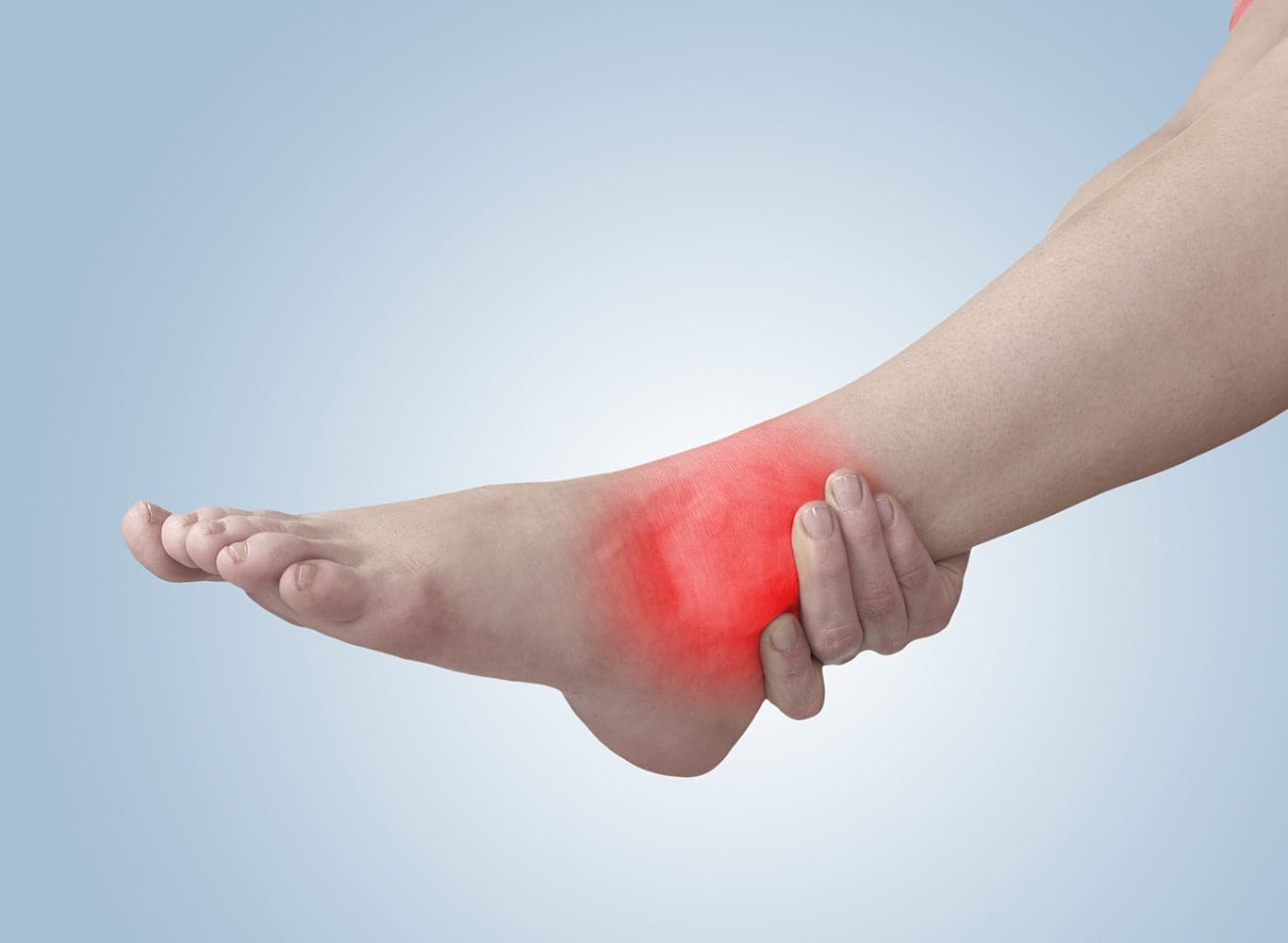
Tendinopathy
Chronic tendon degeneration causing persistent pain and reduced function.
Learn More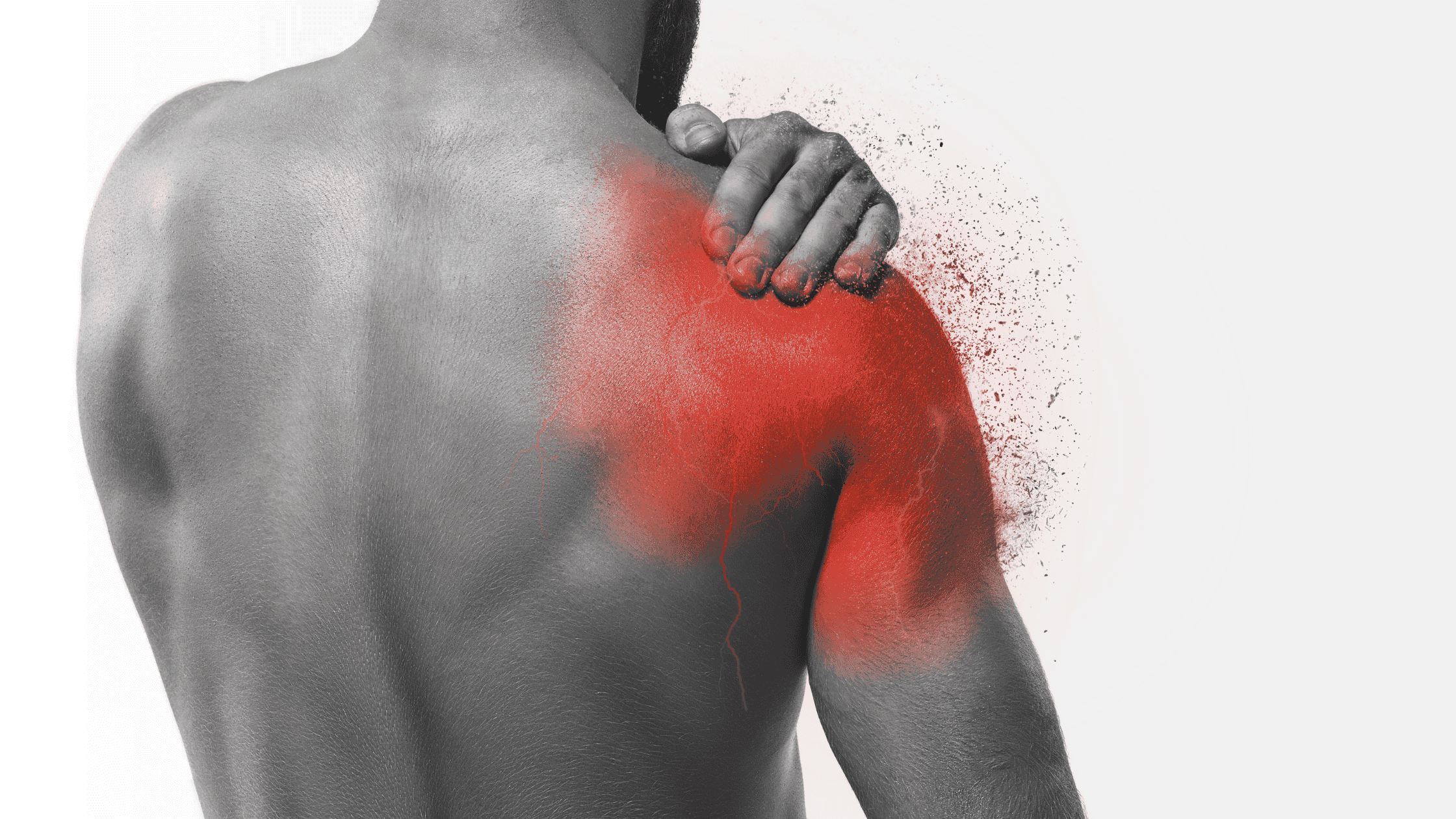
Shoulder Pain
Impingement, instability, and rotator cuff issues affecting shoulder mobility.
Learn More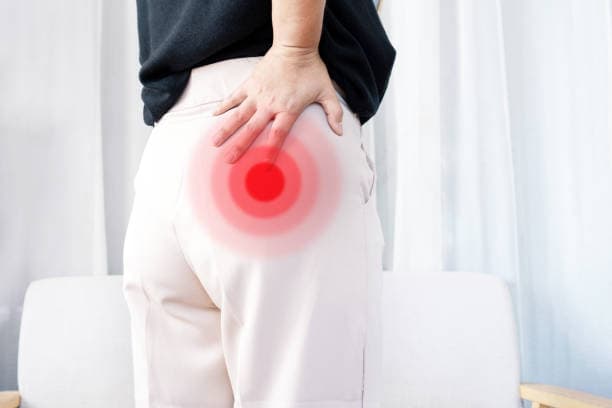
Sciatica Pain Relief
Calm the nerve, restore the glide, and get back to doing what you love.
Learn MoreExplore More
Other Techniques in Chiropractic Sports Medicine
Frequently Asked
Frequently Asked Questions
Schedule Your 20-Minute Complimentary Consultation
Find out if Active Release Technique (ART) is the right approach for your goals. No pressure — just clarity on your next step.