

Conditions We Treat
Myofascial Pain
Restore fascial glide, mobility, and comfort with a 96% success rate.
Overview
Understanding Myofascial Pain
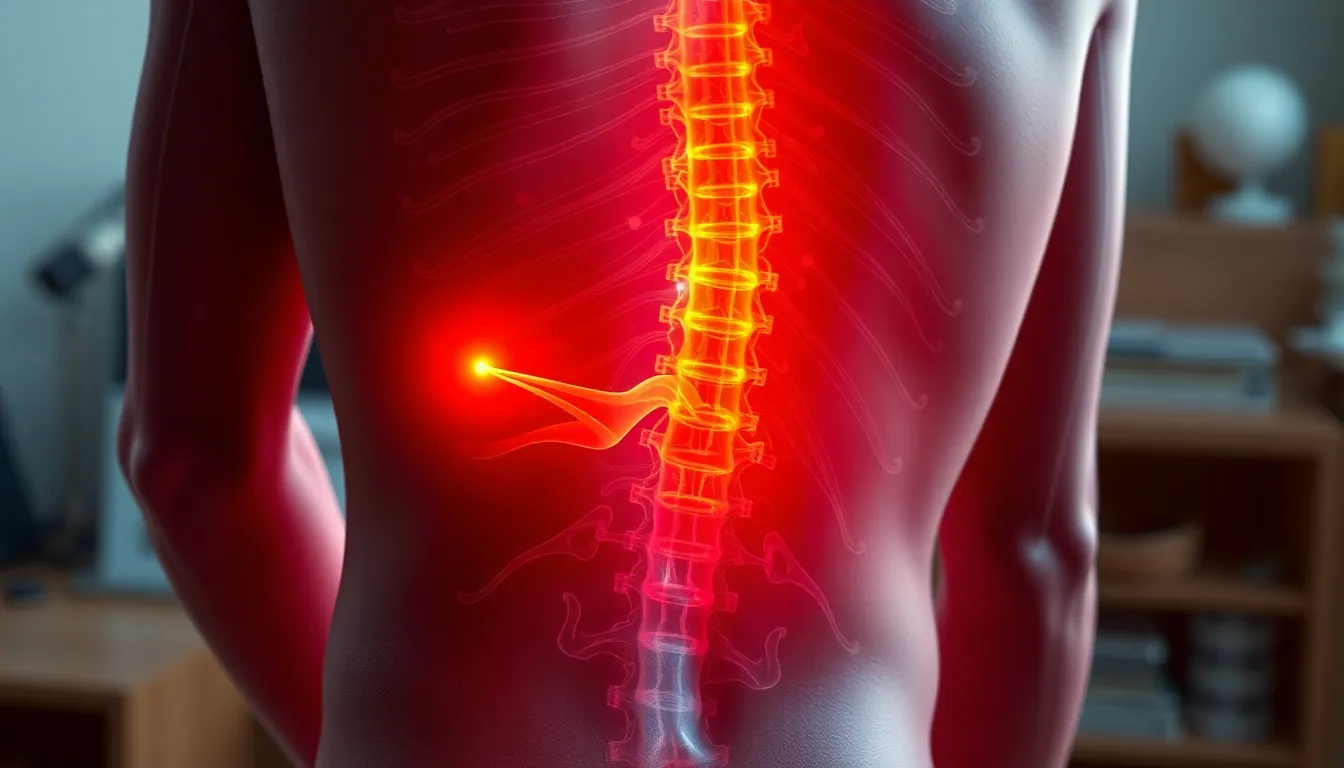
Myofascial pain is caused by dysfunction of the fascia — the complex network of connective tissue that surrounds and connects our muscles, bones, and organs. Fascia plays vital roles in sensory perception, pain processing, temperature regulation, nerve function, force transmission, and blood and lymphatic flow.
Fascial layers normally glide smoothly over each other thanks to a lubricating substance called hyaluronic acid. Dehydration, lack of movement, cold temperatures, high blood sugar, aging, trauma, and surgery can thicken this hyaluronic acid — reducing glide and forming adhesions and densifications.
Over time these can lead to stiffness, rigidity, and pain that conventional muscle-focused treatment often misses entirely.
Recognising the Signs
Symptoms & Causes
Common Symptoms
- Stiffness and limited mobility in affected regions
- Painful or restricted range of motion
- Diffuse aches that don't follow a single muscle pattern
- Deep ache, burning, or tightness in the affected area
- Post-surgical discomfort or stiffness around scar tissue
- Symptoms worse in cold weather or after inactivity
Underlying Causes
- Dehydration and inactivity altering hyaluronic acid viscosity
- Repetitive strain or overuse injury patterns
- Trauma, surgery, and scar tissue formation
- Aging and metabolic factors (e.g., elevated blood sugar)
- Postural patterns that overload specific fascial chains
Our Approach
How We Treat Myofascial Pain
Every plan is built around your individual findings and combines the most effective evidence-based methods available.
Thorough fascial assessment to identify densifications and adhesions
Hands-on Fascial Manipulation targeting specific points
Joint mobilization to support restored movement quality
Hydration and movement strategies to maintain fascial glide
Corrective exercise tailored to your fascial restrictions
Long-term self-care strategies to prevent recurrence
Why FR Institute
The FRI Difference
FRI specializes in treating myofascial pain through Fascial Manipulation. Our approach involves a thorough assessment of the fascia to identify areas of stiffness, tension, or adhesions contributing to your pain. Hands-on techniques apply targeted pressure to these areas, restoring movement and function to the myofascial system. With a 96% success rate in treating fascia-related issues, we deliver personalized plans for lasting relief.
Explore More
Related Conditions
Fibromyalgia
Personalized care for widespread pain, fatigue, and the fog that comes with it.
Learn More
Chronic Pain
An integrated, biopsychosocial approach to pain that just won't quit.
Learn More
Neck Pain
Restore mobility, calm nerves, and ease your neck — without surgery or injections.
Learn MoreFrequently Asked
Myofascial Pain Questions
Schedule Your 20-Minute Complimentary Consultation
Find out if our integrated approach is right for your myofascial pain. No pressure — just clarity on your next step.