
Conditions We Treat
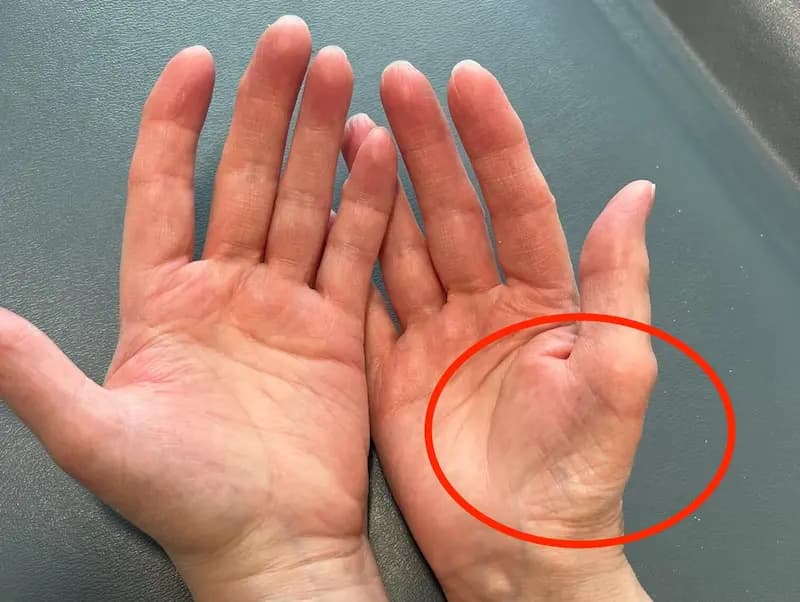
Carpal Tunnel Syndrome
Nerve compression in the wrist causing numbness, tingling, and weakness.
Overview
Understanding Carpal Tunnel Syndrome
Carpal tunnel syndrome (CTS) develops when the median nerve becomes compressed as it passes through the carpal tunnel — a narrow passageway on the palm side of the wrist. The result is a constellation of symptoms in the thumb, index, middle, and part of the ring finger that can range from mildly annoying to genuinely disabling.
While CTS is often blamed on “typing” alone, the reality is more nuanced. Cervical nerve root involvement, fascial restrictions along the median nerve's pathway, ergonomic factors, and systemic issues such as inflammation and fluid retention all play meaningful roles.
A precise neurodynamic evaluation determines exactly where the nerve is being irritated — and that drives a non-surgical plan with an excellent track record at FRI.
Recognising the Signs
Symptoms & Causes
Common Symptoms
- Tingling or numbness in the thumb, index, middle, and ring fingers
- Night-time symptoms that wake you and ease when you shake the hand
- Weakness of grip and a tendency to drop objects
- Aching pain in the wrist and forearm
- Reduced fine motor control (buttons, jewellery, handwriting)
- Symptoms aggravated by driving, typing, or holding a phone
Underlying Causes
- Repetitive strain from typing, mousing, tools, or assembly work
- Fluid retention from pregnancy, hormonal changes, or hypothyroidism
- Cervical nerve root irritation “double-crushing” the median nerve
- Fascial densifications along the nerve's pathway in the forearm
- Wrist anatomy and prior trauma narrowing the carpal tunnel
Our Approach
How We Treat Carpal Tunnel Syndrome
Every plan is built around your individual findings and combines the most effective evidence-based methods available.
Comprehensive neurodynamic evaluation from neck to hand
Targeted neurodynamic mobilization (median nerve gliding)
Fascial Manipulation to release restrictions in the forearm and wrist
Joint mobilization of the carpal bones, elbow, and cervical spine
Ergonomic and postural correction to reduce ongoing load
Functional Medicine workup when systemic inflammation is suspected
Why FR Institute
The FRI Difference
At FRI, we treat carpal tunnel syndrome by following the median nerve from the neck to the hand, identifying every site of irritation and addressing each one. Our combination of neurodynamic mobilization, fascial work, and ergonomic correction resolves the vast majority of cases without injections or surgery — and our Functional Medicine team can address inflammatory and metabolic contributors when they're driving symptoms.
Explore More
Related Conditions

Nerve Pain
Gentle, non-invasive neurodynamic care with a 96% success rate for nerve-related injuries.
Learn More
Hand and Wrist Pain
Repetitive strain, nerve entrapment, and joint conditions in the hand and wrist.
Learn More
Tendinopathy
Chronic tendon degeneration causing persistent pain and reduced function.
Learn MoreFrequently Asked
Carpal Tunnel Syndrome Questions
Schedule Your 20-Minute Complimentary Consultation
Find out if our integrated approach is right for your carpal tunnel syndrome. No pressure — just clarity on your next step.