
Chiropractic Technique
Fascial Manipulation / Myofascial Release
Stecco-based fascial work that treats the connective system as one continuous, intelligent network.
What is Fascial Manipulation / Myofascial Release?
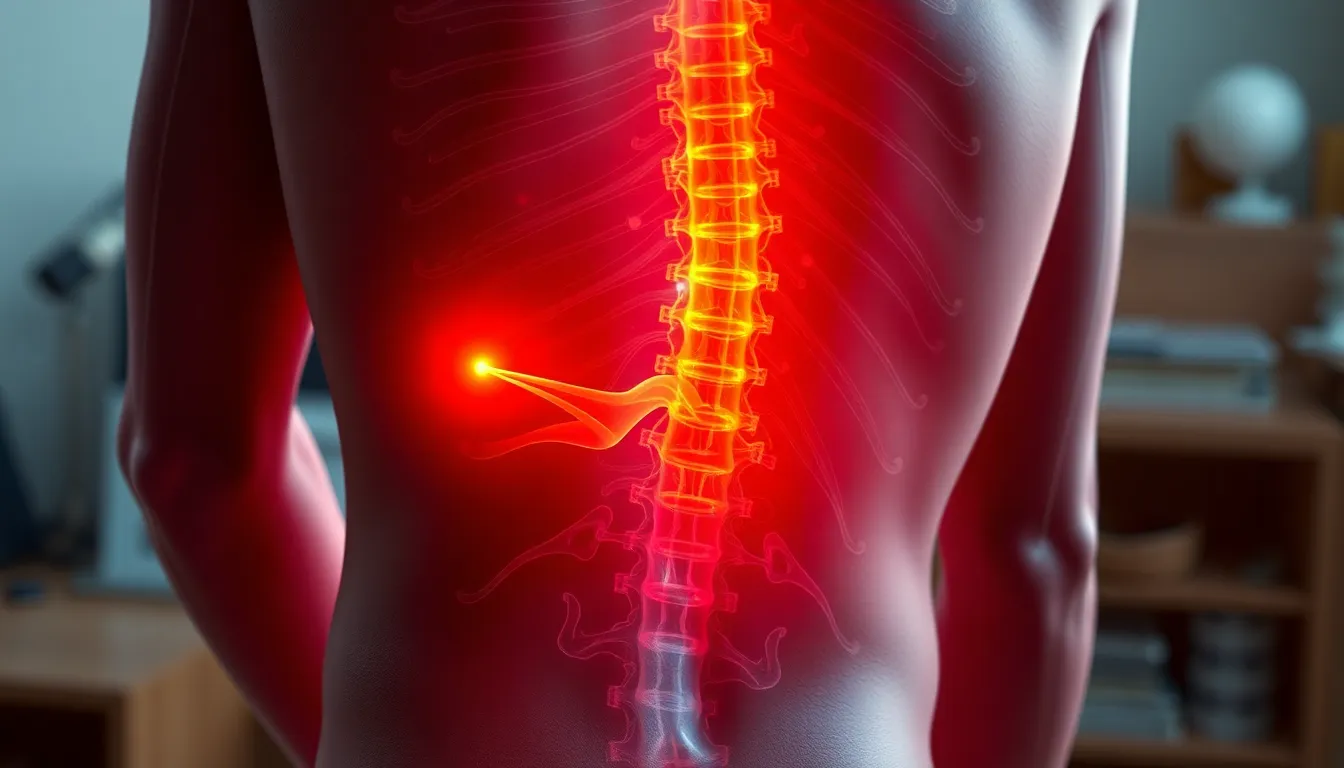
Fascia is the connective tissue network that surrounds and integrates every muscle, joint, and organ in the body. When local areas of fascia become densified — typically from injury, repetitive load, or postural strain — it can disrupt how force transmits and how movement coordinates across the entire chain. Pain often shows up far from the actual restriction.
The Stecco Method of Fascial Manipulation maps these densification points (called Centers of Coordination and Centers of Fusion) along defined fascial chains. By treating the right points along the chain, we can resolve symptoms that did not respond to local treatment.
Broader myofascial release techniques are used alongside Stecco work to improve overall tissue glide, reduce protective tone, and restore the fascia's role in efficient, pain-free movement.
Benefits
Benefits of Fascial Manipulation / Myofascial Release
Addresses pain at the root
Treating fascial densifications upstream often resolves referred pain that local treatment could not.
Restores global movement
Releasing key points along a fascial chain improves coordination across multiple joints, not just one.
Effective for persistent and diffuse pain
Particularly useful when symptoms cross several regions or have not responded to standard care.
Improves posture and load distribution
Healthier fascia distributes load evenly through the body, taking pressure off compensating areas.
Long-lasting results
Stecco-based fascial work tends to produce changes that hold, especially when paired with movement re-education.
Your Visit
What to Expect at FR Institute
Treatment starts with a careful movement and palpation assessment to identify the fascial chain involved. Once the relevant Centers of Coordination or Fusion are located, your provider uses focused friction over each point — usually with knuckle, elbow, or fingertip — until the densification softens. The work is precise and time-limited.
Mild soreness for 24–48 hours after treatment is common. Most patients notice a meaningful change in symptom location and intensity within the first 1–3 visits, even when the pain has been long-standing.
- 1
Assessment
Hands-on testing and movement analysis to identify exactly what is driving your symptoms.
- 2
Treatment
Targeted application of Fascial Manipulation / Myofascial Release, integrated with the broader plan you and your provider build together.
- 3
Recovery Plan
Clear next steps, take-home work, and re-assessment points so progress is measurable — not assumed.
Conditions
Conditions This Technique Helps

Myofascial Pain
Restore fascial glide, mobility, and comfort with a 96% success rate.
Learn More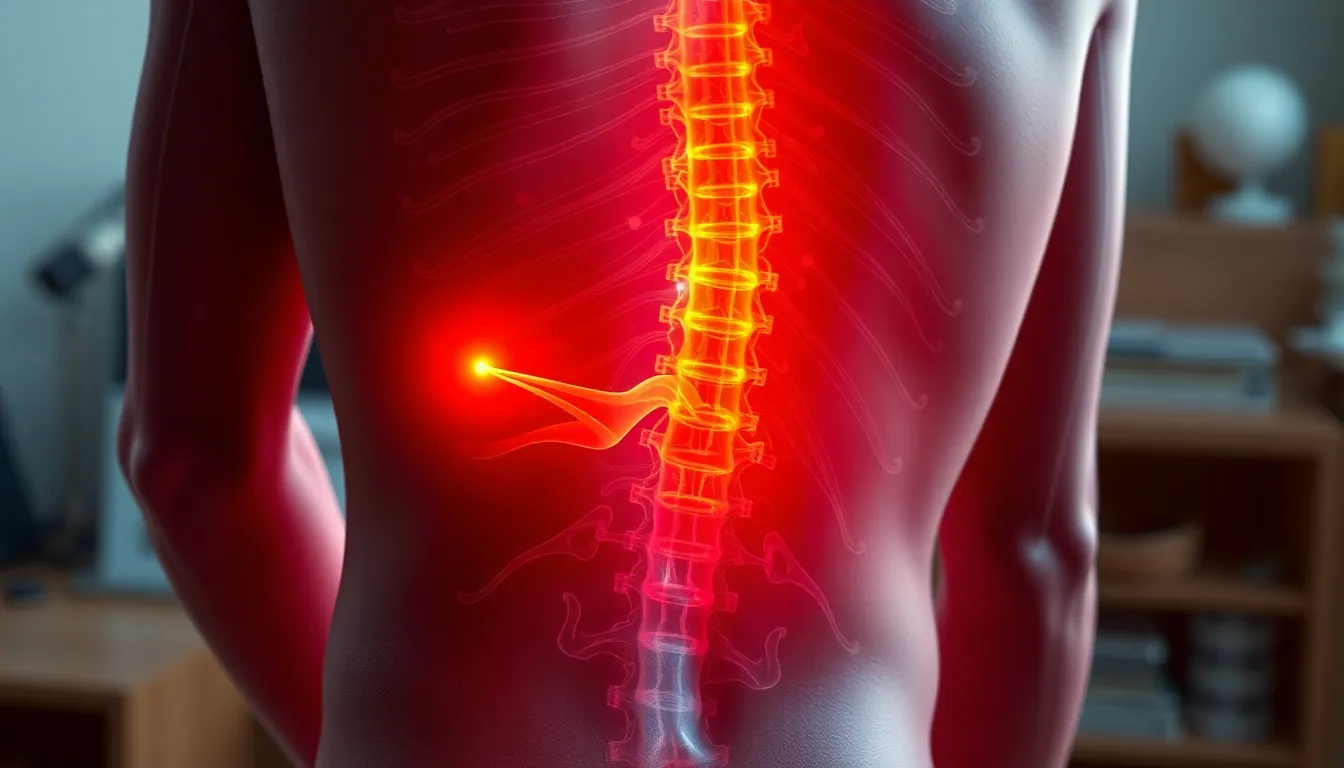
Fibromyalgia
Personalized care for widespread pain, fatigue, and the fog that comes with it.
Learn More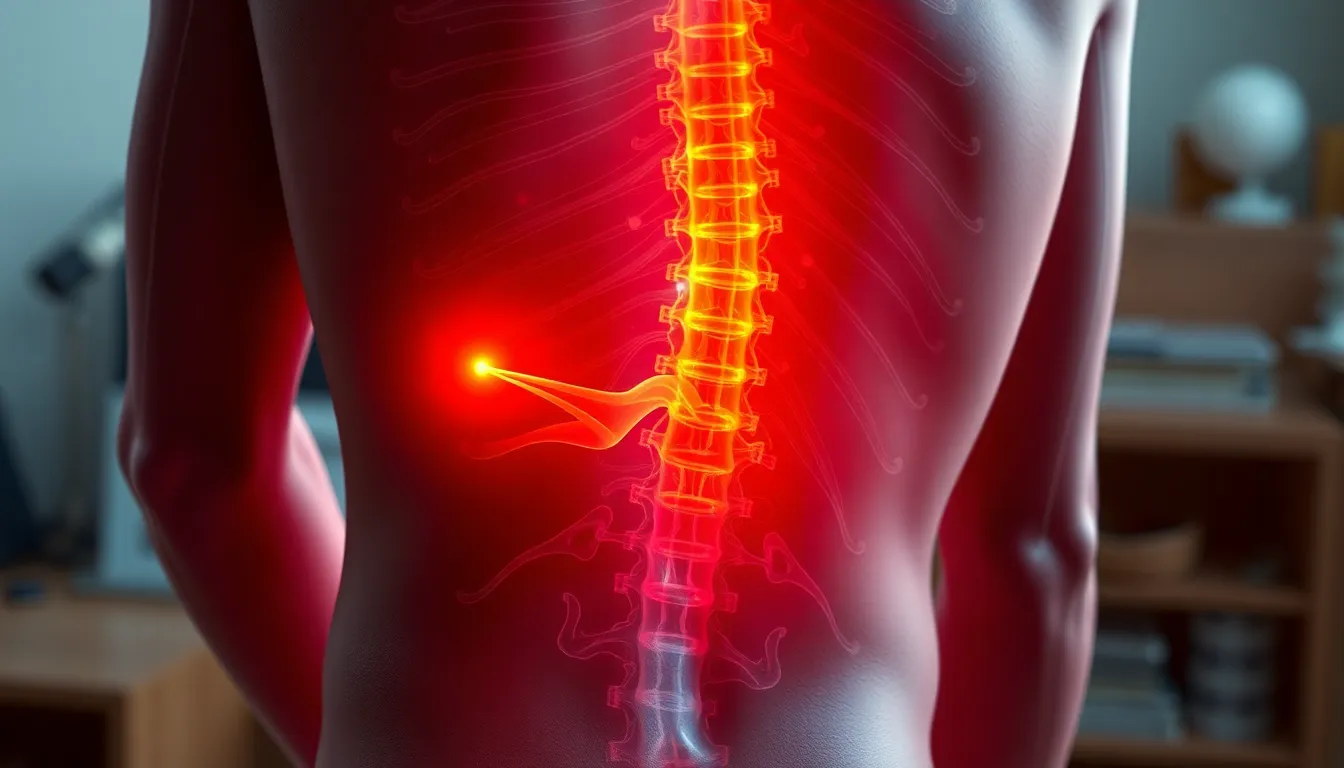
Lower Back Pain
Targeted, root-cause care for the lumbar spine — without medication or surgery.
Learn More
Neck Pain
Restore mobility, calm nerves, and ease your neck — without surgery or injections.
Learn More
Chronic Pain
An integrated, biopsychosocial approach to pain that just won't quit.
Learn MoreExplore More
Other Techniques in Chiropractic Sports Medicine
Frequently Asked
Frequently Asked Questions
Schedule Your 20-Minute Complimentary Consultation
Find out if Fascial Manipulation / Myofascial Release is the right approach for your goals. No pressure — just clarity on your next step.