
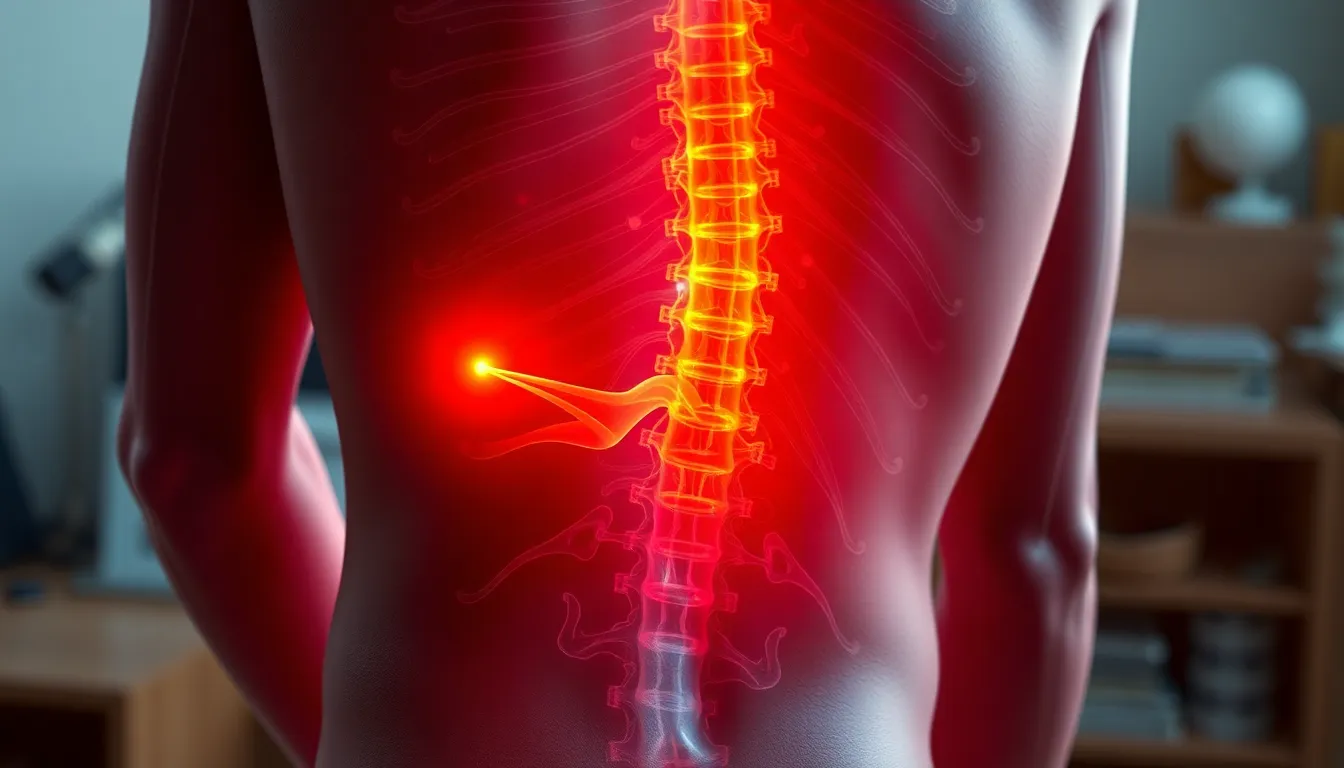
Chiropractic Technique
Joint Mobilization
Slow, controlled passive movement to restore range, reduce stiffness, and calm protective joints.
What is Joint Mobilization?
Joint mobilization is a graded, passive technique used to restore motion and reduce pain in joints that have become stiff, guarded, or restricted. Unlike a high-velocity adjustment, mobilization uses slow, oscillating, controlled pressure — typically classified using Maitland grades I through IV — so it can be dialed in to exactly what the joint will tolerate.
It is often the right tool when a joint is too irritable for manipulation, when we are working on extremity joints (shoulder, hip, ankle, knee), or when the goal is to prepare the joint for active loading. At Functional Restoration Institute we pair mobilization with movement re-education so the gain you make on the table translates into real-world motion.
Mobilization is not 'cracking.' It is patient, deliberate input that gives the nervous system room to let go of unnecessary protection.
Benefits
Benefits of Joint Mobilization
Restored range of motion
Graded oscillations free up restricted joint capsules and surrounding tissue without forcing end-range movement.
Reduced pain and guarding
Lower-grade mobilizations calm pain receptors and protective muscle tone, especially in irritable or post-injury joints.
Safe for sensitive joints
Because force is graded and controlled, mobilization is appropriate for older patients, post-op joints, and conditions where manipulation is contraindicated.
Better preparation for exercise
Restoring passive motion makes active corrective exercise more effective — you can finally train through a range you actually have.
Improved joint nutrition
Rhythmic motion encourages synovial fluid exchange, which supports cartilage health and joint recovery.
Your Visit
What to Expect at FR Institute
We start by isolating the joint and confirming the direction of restriction with hands-on testing. The mobilization itself is slow and rhythmic, and you control the intensity — feedback during the technique is essential.
Most sessions combine mobilization with a follow-up exercise that uses the new range immediately, so the nervous system 'owns' the motion before you leave. Many patients feel looser and lighter even after a single session.
- 1
Assessment
Hands-on testing and movement analysis to identify exactly what is driving your symptoms.
- 2
Treatment
Targeted application of Joint Mobilization, integrated with the broader plan you and your provider build together.
- 3
Recovery Plan
Clear next steps, take-home work, and re-assessment points so progress is measurable — not assumed.
Conditions
Conditions This Technique Helps
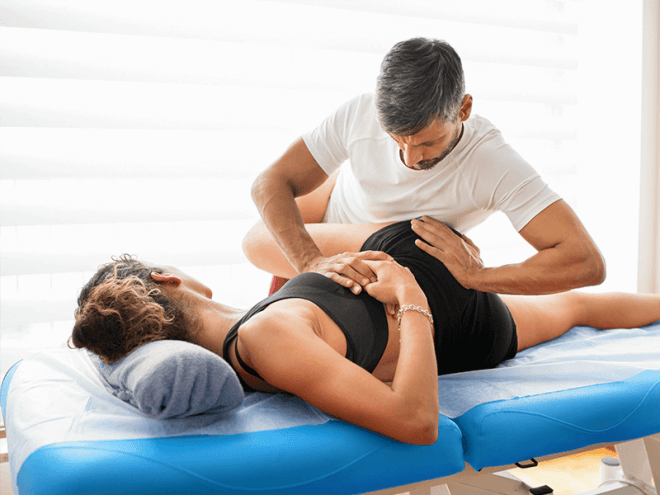
Joint Dysfunctions
Restricted or painful joint movement from injury, degeneration, or misalignment.
Learn More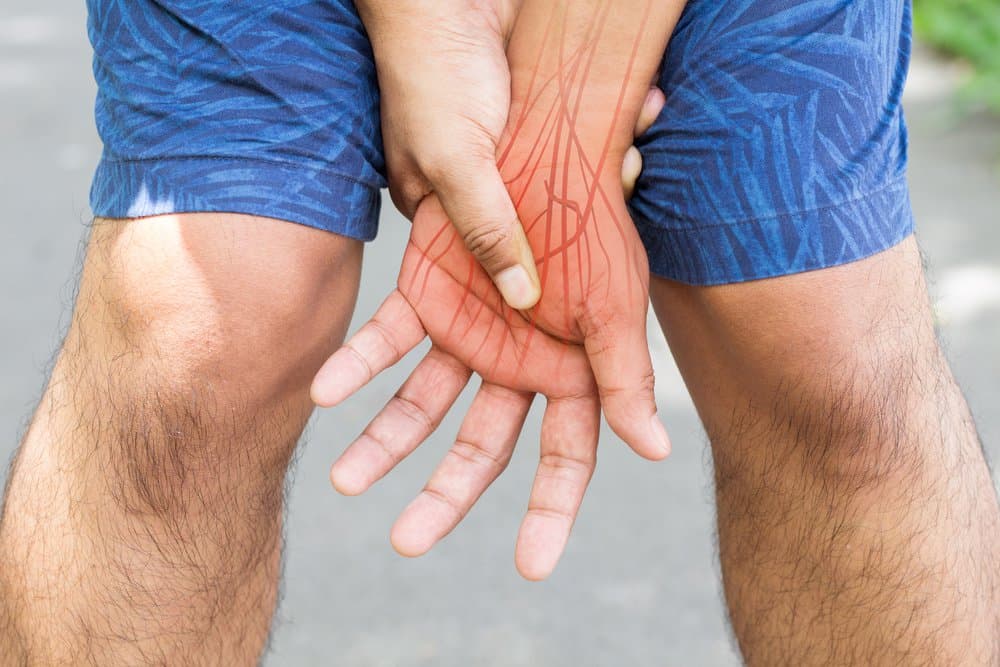
Arthritis
Move better, hurt less — comprehensive, personalized care for joint health.
Learn More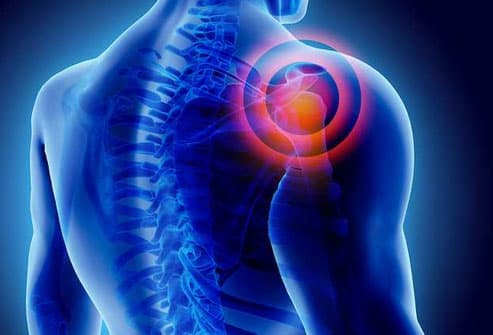
Frozen Shoulder
Progressive shoulder stiffness and pain with severely limited range of motion.
Learn More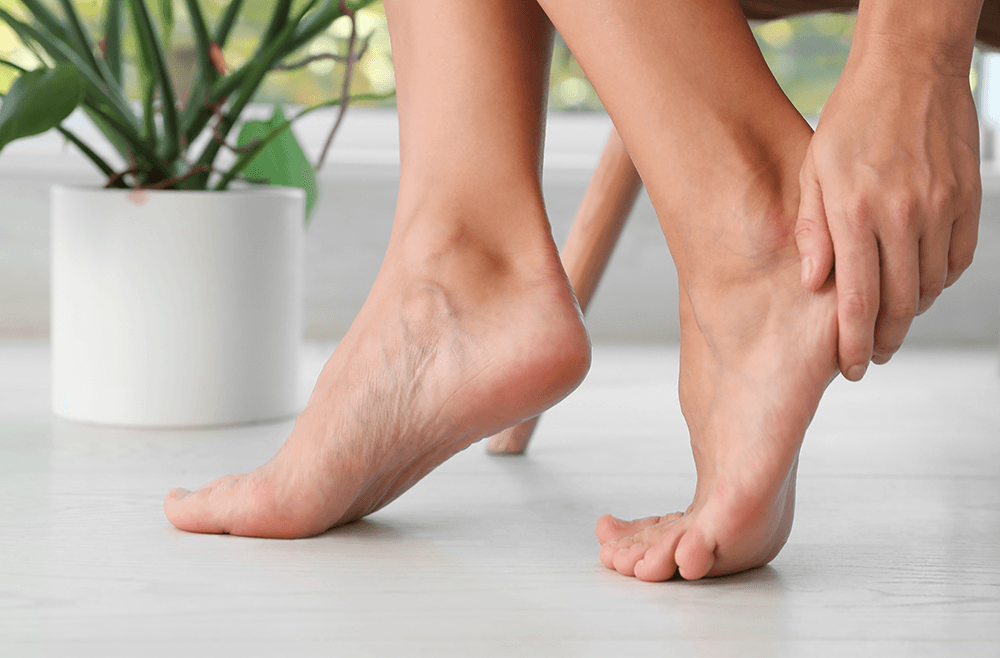
Ankle and Foot Pain
Lower extremity pain from injury, overuse, or structural dysfunction.
Learn More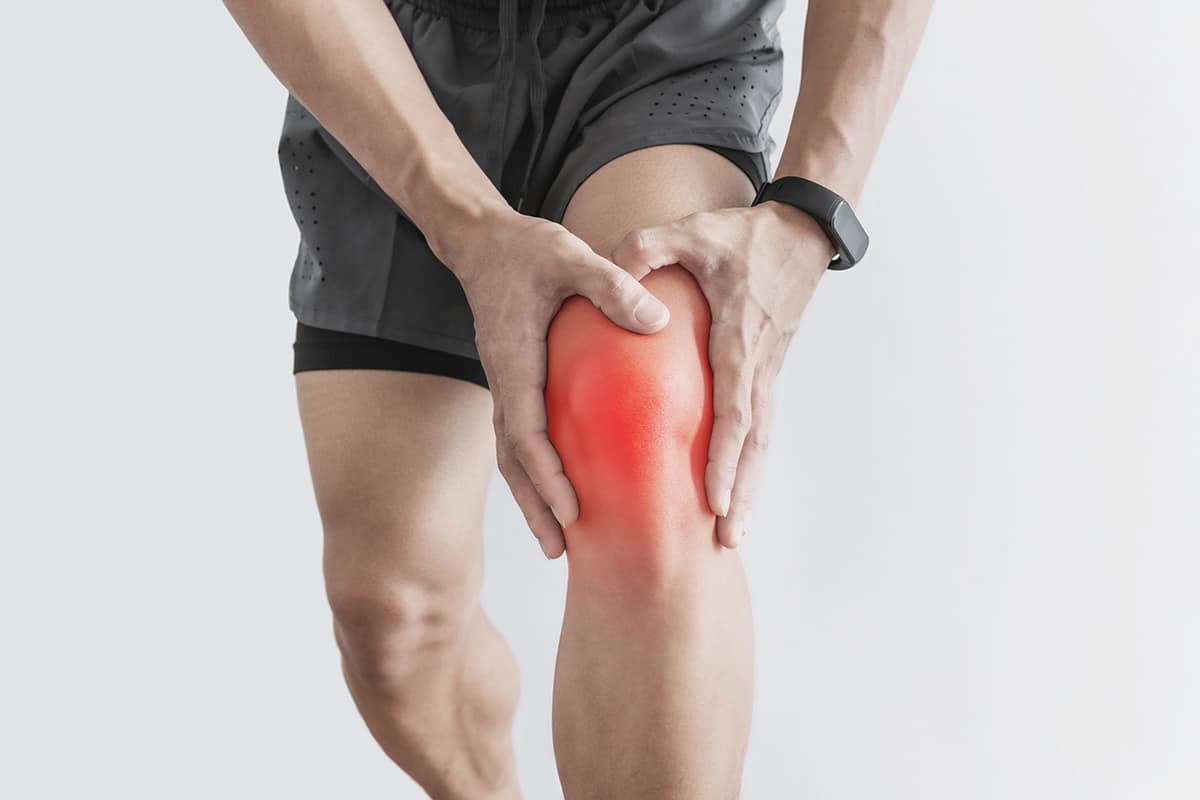
Knee Pain
Patellofemoral, ligament, and cartilage conditions affecting knee function.
Learn MoreExplore More
Other Techniques in Chiropractic Sports Medicine
Frequently Asked
Frequently Asked Questions
Schedule Your 20-Minute Complimentary Consultation
Find out if Joint Mobilization is the right approach for your goals. No pressure — just clarity on your next step.