
Conditions We Treat
Frozen Shoulder
Progressive shoulder stiffness and pain with severely limited range of motion.
Overview
Understanding Frozen Shoulder
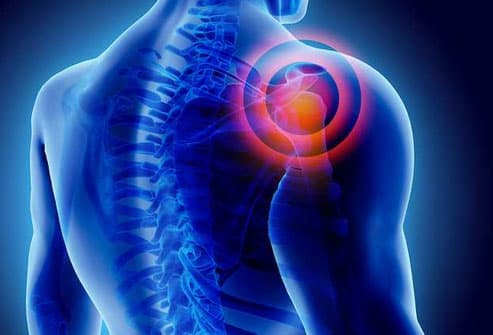
Frozen shoulder — medically known as adhesive capsulitis — is a condition in which the shoulder capsule thickens and tightens, dramatically restricting movement and producing significant pain. It typically progresses through three phases: a painful “freezing” stage, a stiff “frozen” stage, and a gradual “thawing” stage that can take many months to resolve on its own.
Frozen shoulder is more common in adults aged 40–60, in women, and in people with diabetes or thyroid disorders. It can also follow a period of immobilization after injury or surgery.
With the right combination of manual therapy and progressive rehab, we can dramatically shorten the recovery timeline and restore comfortable, full-range movement.
Recognising the Signs
Symptoms & Causes
Common Symptoms
- Gradual onset of shoulder stiffness over weeks to months
- Pain at rest and with movement, often worse at night
- Inability to reach overhead, behind the back, or out to the side
- Difficulty with daily tasks like dressing or grooming
- A sense the shoulder is “locked” rather than weak
- Compensatory pain in the neck and upper back
Underlying Causes
- Post-injury or post-surgical inflammation and immobilization
- Adhesive capsulitis with thickening of the joint capsule
- Diabetes and thyroid dysfunction (strong associations)
- Prolonged disuse following pain or trauma
- Underlying systemic inflammation
Our Approach
How We Treat Frozen Shoulder
Every plan is built around your individual findings and combines the most effective evidence-based methods available.
Targeted joint mobilization to restore capsular mobility
Active Release Technique (ART) for surrounding soft tissues
Neurodynamic mobilization to calm sensitised nerves
Progressive corrective exercise to restore range and strength
Postural and scapular control retraining
Functional Medicine workup for diabetes, thyroid, and inflammation
Why FR Institute
The FRI Difference
At FRI, we don't wait for frozen shoulder to “thaw” on its own. Our combination of capsular mobilization, soft-tissue work, and a graded rehab plan typically restores meaningful range and reduces pain in weeks rather than months — and we screen for the metabolic conditions known to drive and prolong it.
Explore More
Related Conditions
Shoulder Pain
Impingement, instability, and rotator cuff issues affecting shoulder mobility.
Learn More
Rotator Cuff Injuries
Shoulder muscle and tendon damage from injury or overuse.
Learn More
Labral Injuries (Shoulder & Hip)
Cartilage ring tears in the shoulder or hip causing pain and instability.
Learn MoreFrequently Asked
Frozen Shoulder Questions
Schedule Your 20-Minute Complimentary Consultation
Find out if our integrated approach is right for your frozen shoulder. No pressure — just clarity on your next step.