
Conditions We Treat
Labral Injuries (Shoulder & Hip)
Cartilage ring tears in the shoulder or hip causing pain and instability.
Overview
Understanding Labral Injuries (Shoulder & Hip)
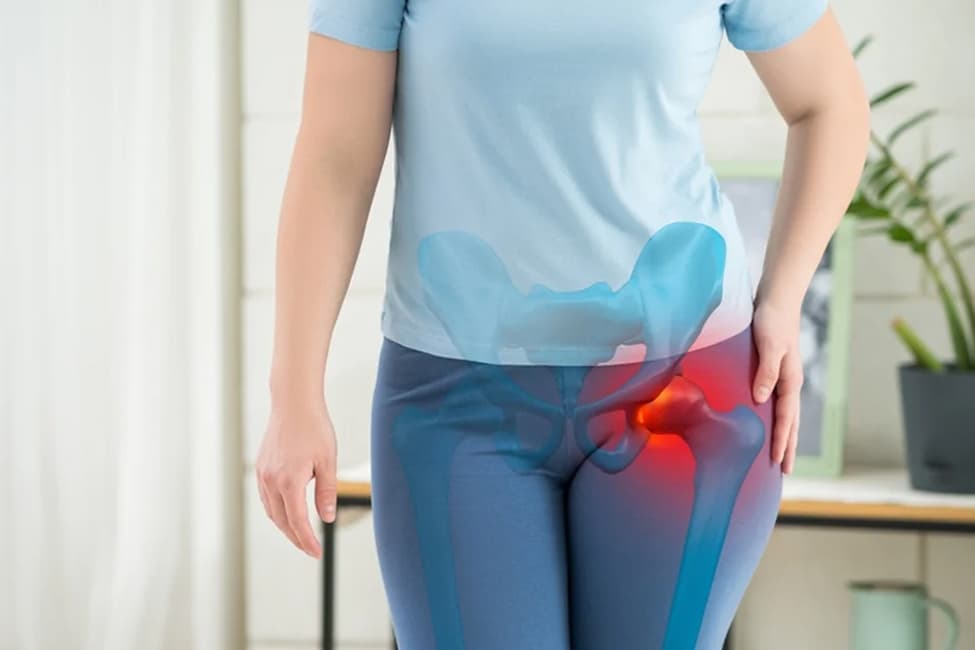
The labrum is a ring of fibrocartilage that deepens the socket of the shoulder (glenoid labrum) and hip (acetabular labrum), improving stability and load distribution. Labral injuries occur when this cartilage tears or frays, which can lead to deep joint pain, mechanical symptoms, and a sense of instability.
Labral tears can result from a single traumatic event, repetitive overhead or rotational sport demand, or underlying joint architecture such as femoroacetabular impingement at the hip.
Many labral tears do not require surgery. With targeted manual therapy and a progressive movement plan, the joint can be stabilised and symptoms resolved — even when imaging shows a tear.
Recognising the Signs
Symptoms & Causes
Common Symptoms
- Deep, hard-to-localise joint pain
- Catching, clicking, or locking sensation in the joint
- A feeling that the shoulder or hip is unstable or “giving way”
- Pain with specific positions or activities (overhead, deep squat)
- Reduced strength or confidence in the affected limb
- Stiffness after periods of rest
Underlying Causes
- Traumatic injury (fall, dislocation, sports impact)
- Repetitive overhead or rotational loading (throwing, swimming, golf)
- Femoroacetabular impingement (FAI) at the hip
- Shoulder instability or rotator cuff dysfunction
- Degenerative changes with age
Our Approach
How We Treat Labral Injuries (Shoulder & Hip)
Every plan is built around your individual findings and combines the most effective evidence-based methods available.
Detailed assessment to confirm the labrum is the true pain generator
Joint mobilization to restore capsular and bony alignment
DNS-based movement retraining for joint centration
Progressive strengthening of the surrounding stabilisers
Sport- or activity-specific rehabilitation
Functional Medicine to support tissue health and reduce inflammation
Why FR Institute
The FRI Difference
Labral tears are common findings on MRI — even in pain-free people — so the question isn't just “is the labrum torn?” but “is it actually causing your symptoms?” We answer that with a detailed clinical exam and a movement-based plan that stabilises the joint, restores function, and helps the vast majority of patients avoid surgery.
Explore More
Related Conditions
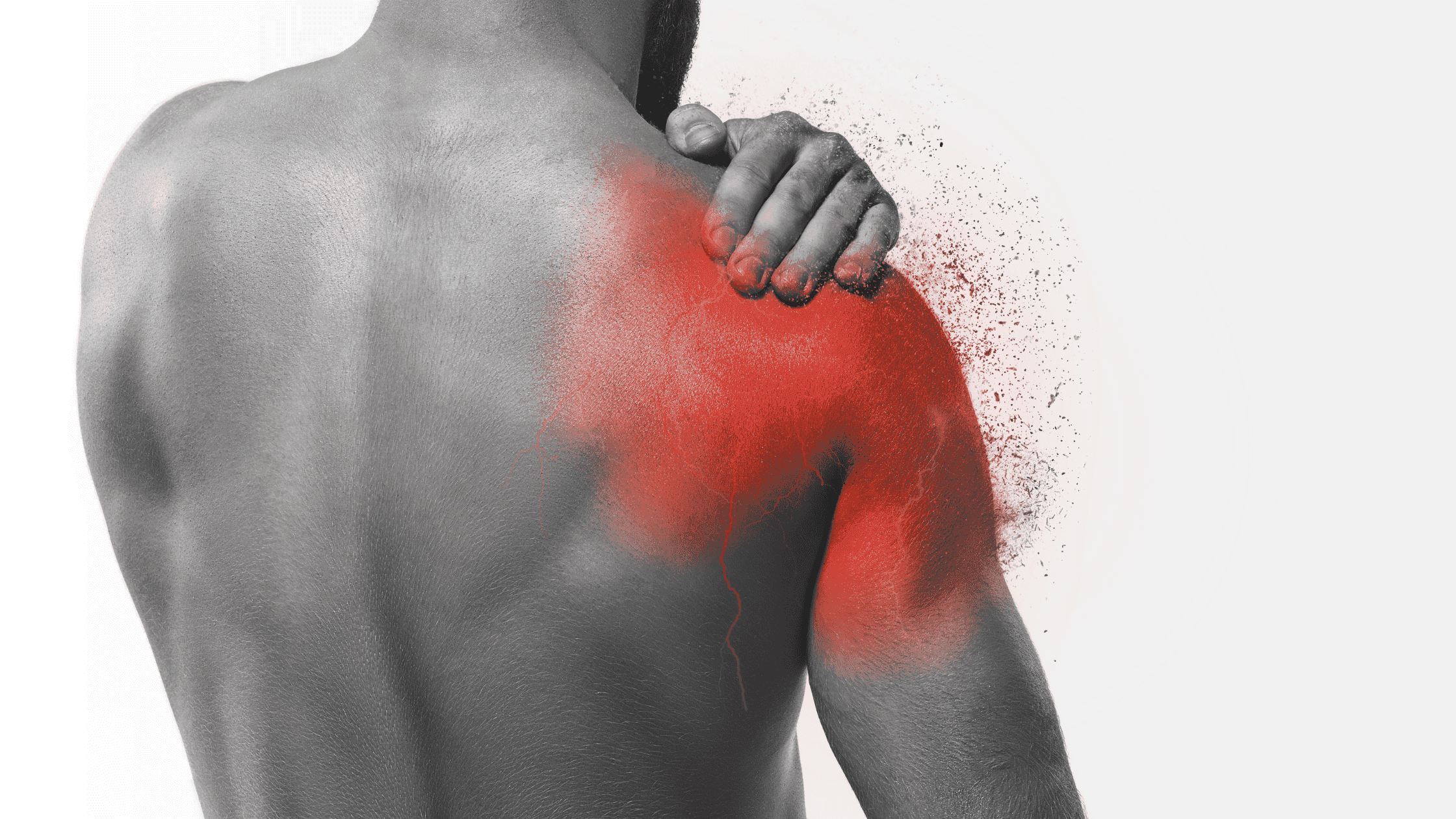
Shoulder Pain
Impingement, instability, and rotator cuff issues affecting shoulder mobility.
Learn More
Hip and Sacroiliac Joint Pain
Hip joint and pelvic girdle pain affecting gait and daily movement.
Learn More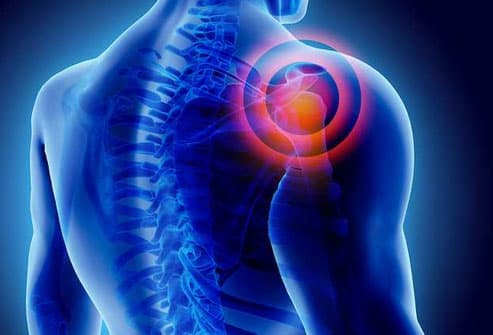
Frozen Shoulder
Progressive shoulder stiffness and pain with severely limited range of motion.
Learn MoreFrequently Asked
Labral Injuries (Shoulder & Hip) Questions
Schedule Your 20-Minute Complimentary Consultation
Find out if our integrated approach is right for your labral injuries (shoulder & hip). No pressure — just clarity on your next step.