
Conditions We Treat
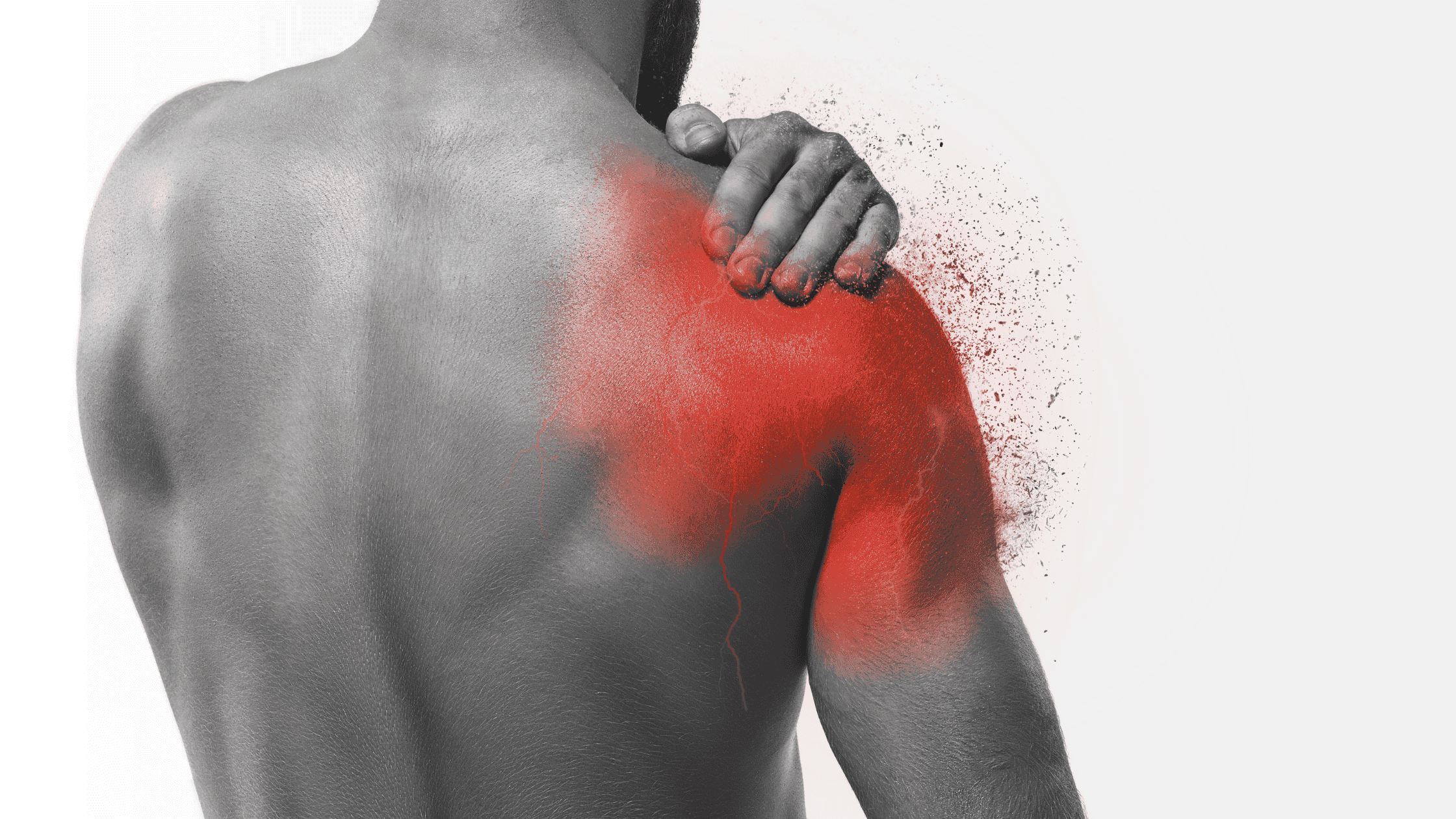
Shoulder Pain
Impingement, instability, and rotator cuff issues affecting shoulder mobility.
Overview
Understanding Shoulder Pain
The shoulder is the most mobile joint in the body — and that mobility comes at the cost of stability. Pain in the shoulder can stem from the rotator cuff, the subacromial space, the AC joint, the labrum, or the surrounding soft tissue, and is often influenced by posture and thoracic spine mobility.
Common contributors include rotator cuff strain or tendinopathy, subacromial impingement, AC joint dysfunction, instability from prior dislocation, and chronic forward-head, rounded-shoulder posture that compresses the joint and limits overhead motion.
At Functional Restoration Institute, we evaluate not just the shoulder itself but the thoracic spine, scapula, and cervical spine — all of which contribute to shoulder mechanics. Treatment combines chiropractic adjustments, ART, fascial manipulation, DNS-based stabilisation, and corrective exercise.
Recognising the Signs
Symptoms & Causes
Common Symptoms
- Pain with overhead activity or reaching behind the back
- Limited range of motion or stiffness
- Night pain, especially when lying on the affected side
- Weakness when lifting or carrying
- Clicking, popping, or catching in the joint
- Referred pain down the arm or into the upper back
Underlying Causes
- Rotator cuff tendinopathy, strain, or tear
- Subacromial impingement
- AC joint sprain or degeneration
- Thoracic kyphosis and forward-head posture
- Glenohumeral instability after prior injury or dislocation
Our Approach
How We Treat Shoulder Pain
Every plan is built around your individual findings and combines the most effective evidence-based methods available.
Chiropractic adjustments to the cervical and thoracic spine
Active Release Technique (ART) for rotator cuff and surrounding muscles
Fascial manipulation to release restrictions in the shoulder girdle
Dynamic Neuromuscular Stabilization (DNS) for scapular control
Corrective exercise targeting the rotator cuff and posterior chain
Thoracic mobility work to restore overhead movement
Why FR Institute
The FRI Difference
At FRI, we treat the shoulder as part of an integrated upper-quarter system. our doctors identify the structures driving your pain, releases the restrictions limiting movement, and rebuilds the stability and control needed to keep the shoulder healthy long-term.
Explore More
Related Conditions
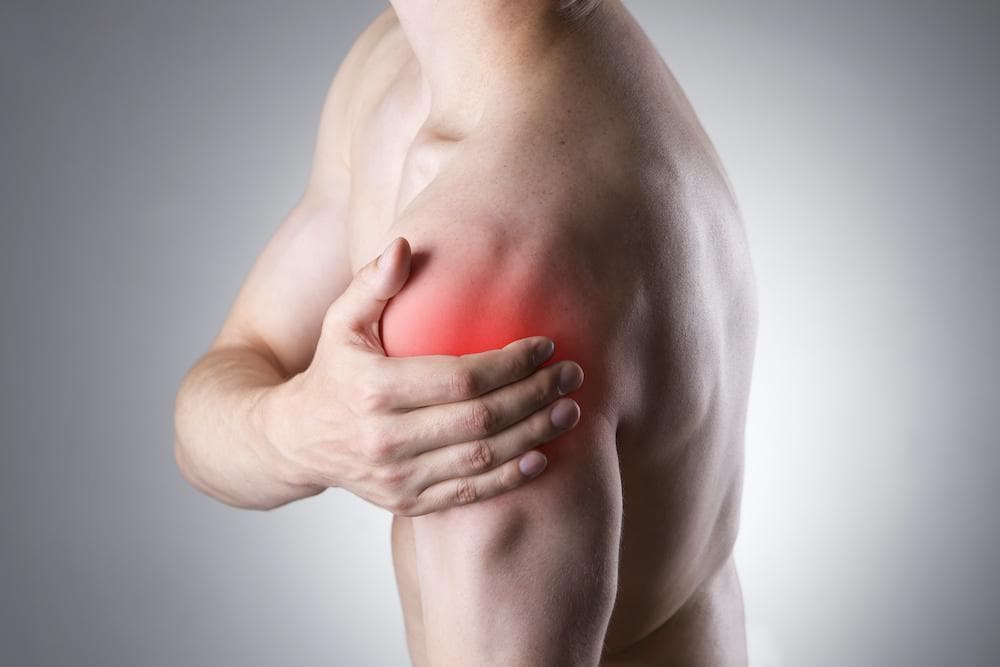
Rotator Cuff Injuries
Shoulder muscle and tendon damage from injury or overuse.
Learn More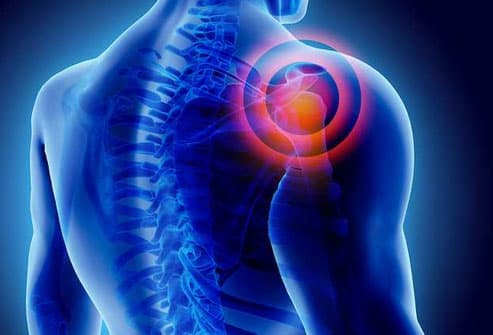
Frozen Shoulder
Progressive shoulder stiffness and pain with severely limited range of motion.
Learn More
Neck Pain
Restore mobility, calm nerves, and ease your neck — without surgery or injections.
Learn MoreFrequently Asked
Shoulder Pain Questions
Schedule Your 20-Minute Complimentary Consultation
Find out if our integrated approach is right for your shoulder pain. No pressure — just clarity on your next step.