
Conditions We Treat
Rotator Cuff Injuries
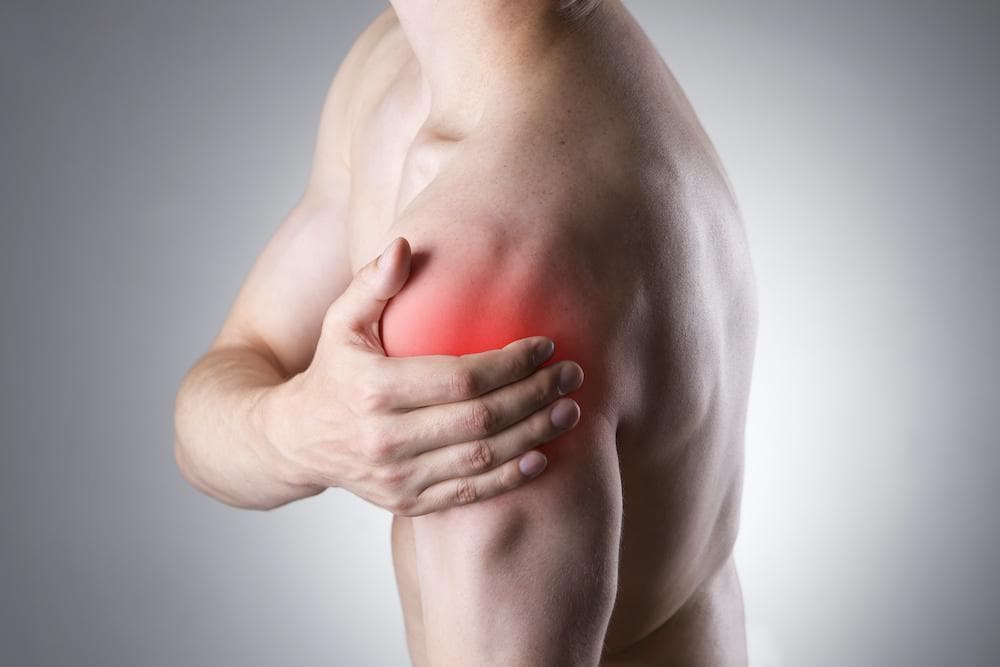
Shoulder muscle and tendon damage from injury or overuse.
Overview
Understanding Rotator Cuff Injuries
The rotator cuff is a group of four muscles and their tendons (supraspinatus, infraspinatus, teres minor, and subscapularis) that stabilise the shoulder joint and produce its precise movements. Injuries to this group range from inflammation and impingement to partial and full-thickness tears.
Rotator cuff problems are extraordinarily common, affecting people who do overhead work, athletes who throw or swim, and almost everyone over 50 to some degree. The good news: the vast majority can be managed effectively without surgery.
At FRI, we evaluate not just the cuff but the entire shoulder complex — scapular control, thoracic spine mobility, neck, and posture — because cuff problems are almost never “just” the cuff.
Recognising the Signs
Symptoms & Causes
Common Symptoms
- Pain with overhead movement (reaching, lifting, throwing)
- Weakness when raising the arm or external rotation
- Pain at night, especially when lying on the affected side
- Tenderness over the top or front of the shoulder
- Reduced range of motion or a sense of “catching”
- Difficulty with daily tasks like dressing or hair care
Underlying Causes
- Acute tear from a fall, lift, or sports trauma
- Chronic overuse from repetitive overhead activity
- Subacromial impingement and bursitis
- Age-related tendon degeneration
- Poor scapular control and posture overloading the cuff
Our Approach
How We Treat Rotator Cuff Injuries
Every plan is built around your individual findings and combines the most effective evidence-based methods available.
Active Release Technique (ART) for cuff and surrounding tissues
Fascial Manipulation of the shoulder, scapula, and thoracic regions
DNS-based shoulder and scapular stabilization
Progressive strengthening of the cuff and stabilizers
Postural and movement-pattern correction
Functional Medicine support for tendon healing and inflammation
Why FR Institute
The FRI Difference
Surgery is rarely the right first answer for rotator cuff problems. Our combination of ART, fascial work, and a graded DNS-based shoulder program resolves the vast majority of cases — even partial tears — and gives the shoulder the resilience it needs for the long haul.
Explore More
Related Conditions
Shoulder Pain
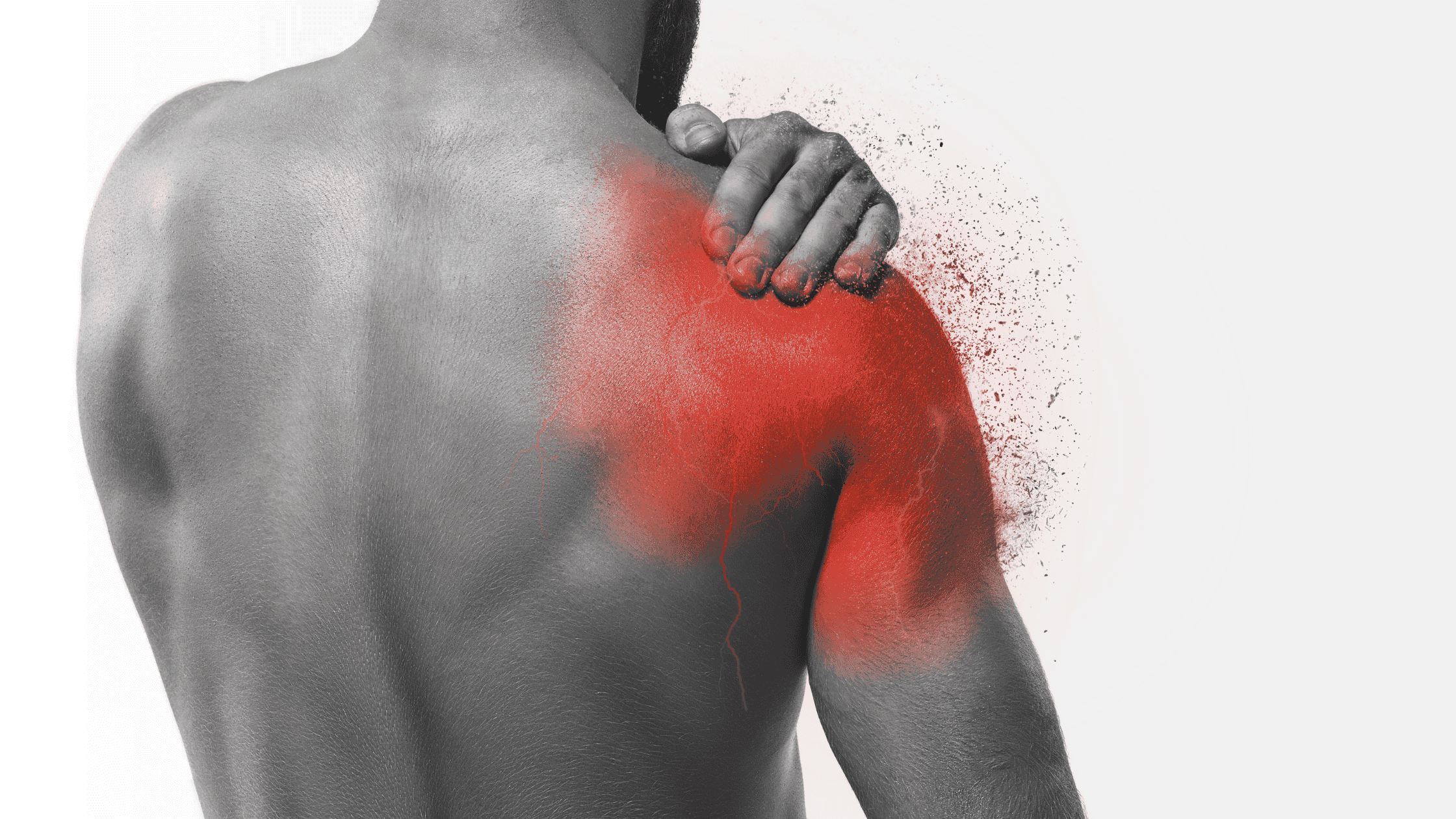
Impingement, instability, and rotator cuff issues affecting shoulder mobility.
Learn More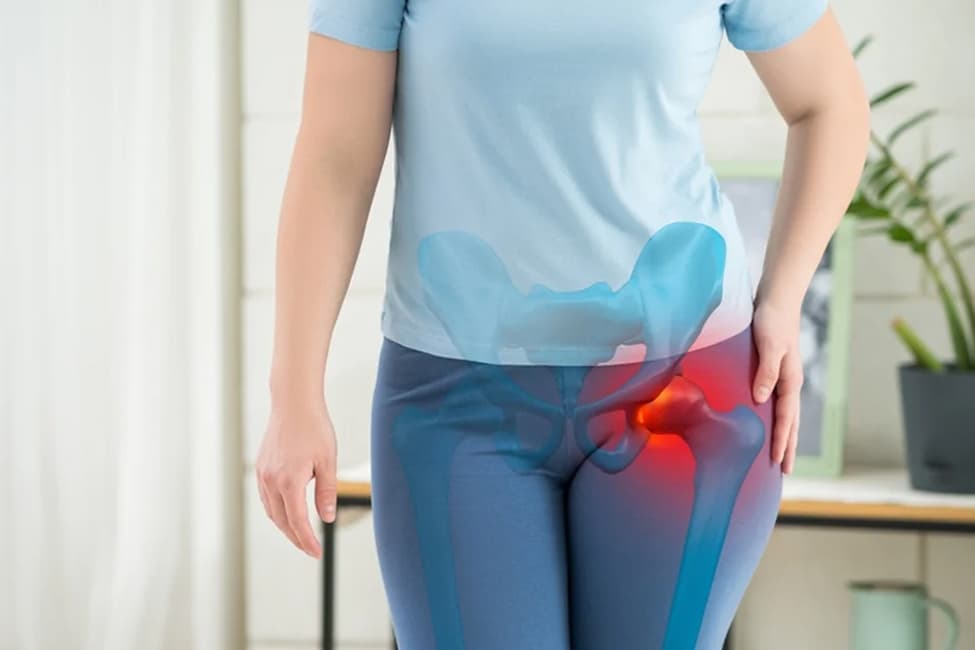
Labral Injuries (Shoulder & Hip)
Cartilage ring tears in the shoulder or hip causing pain and instability.
Learn More
Tendinopathy
Chronic tendon degeneration causing persistent pain and reduced function.
Learn MoreFrequently Asked
Rotator Cuff Injuries Questions
Schedule Your 20-Minute Complimentary Consultation
Find out if our integrated approach is right for your rotator cuff injuries. No pressure — just clarity on your next step.