
Conditions We Treat
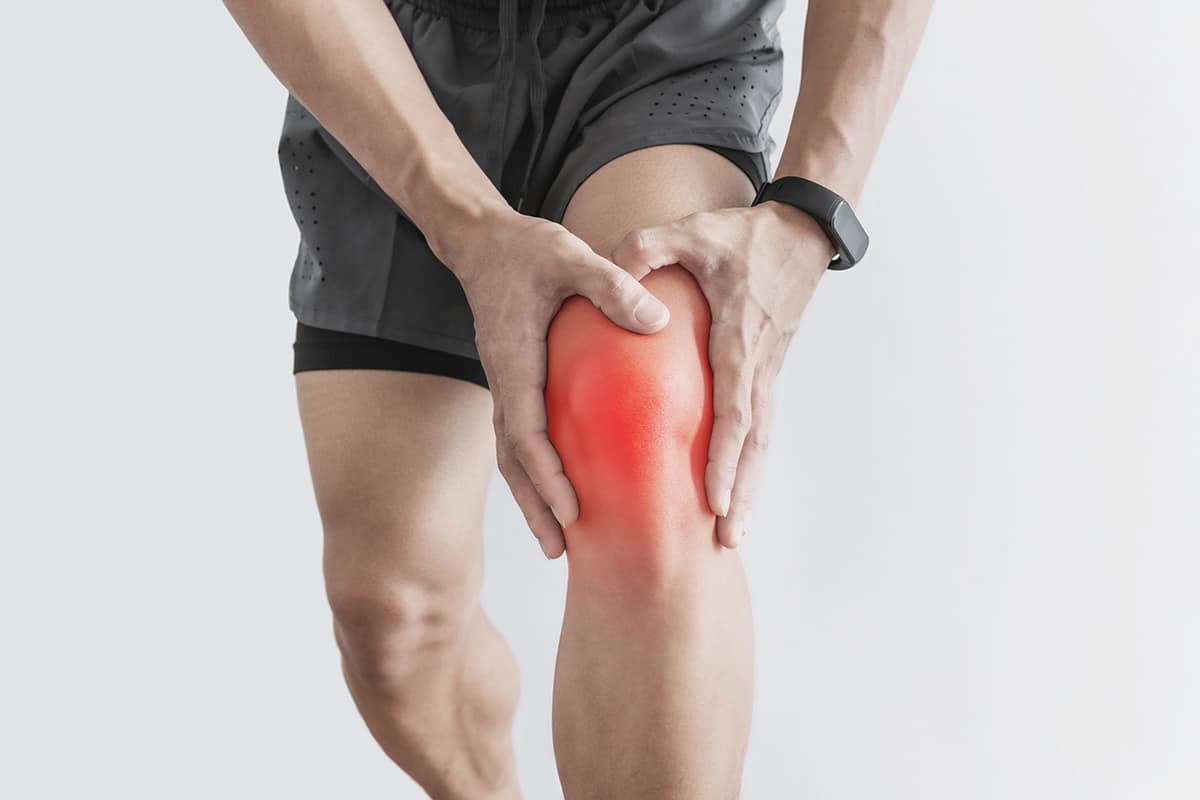
Knee Pain
Patellofemoral, ligament, and cartilage conditions affecting knee function.
Overview
Understanding Knee Pain
Knee pain is one of the most common orthopaedic complaints we see, ranging from sharp, localised pain at the kneecap to deep aching along the joint line. The knee is a hinge joint sandwiched between two highly mobile structures — the hip and the ankle — which means knee symptoms are often driven by what is happening above and below.
Common contributors include patellofemoral pain syndrome, ligament laxity or sprain, meniscal wear, IT band irritation, and overuse from running, squatting, or repetitive impact. Poor hip control or restricted ankle mobility can quietly overload the knee for months before pain ever appears.
At Functional Restoration Institute, we look at the entire kinetic chain. Treatment combines joint mobilisation, DNS-based stabilisation, gait analysis, and progressive corrective exercise — and, where appropriate, functional medicine support to address systemic inflammation.
Recognising the Signs
Symptoms & Causes
Common Symptoms
- Anterior, medial, or lateral knee pain
- Swelling, warmth, or stiffness in the joint
- Pain with stairs, squatting, or prolonged sitting
- Instability, buckling, or a sense of the knee "giving out"
- Clicking, popping, or catching with movement
- Reduced range of motion or difficulty fully straightening the leg
Underlying Causes
- Patellofemoral pain syndrome ("runner's knee")
- Ligament sprain or laxity (ACL, MCL, LCL, PCL)
- Meniscal wear or degenerative changes
- Poor hip and ankle mechanics overloading the knee
- Overuse from running, jumping, or repetitive squatting
Our Approach
How We Treat Knee Pain
Every plan is built around your individual findings and combines the most effective evidence-based methods available.
Joint mobilisation of the knee, hip, and ankle
Dynamic Neuromuscular Stabilization (DNS) for hip and core control
Gait analysis and movement screening to identify upstream drivers
Progressive corrective exercise for strength and load tolerance
Soft tissue work and fascial manipulation around the knee
Functional medicine evaluation for systemic inflammation when relevant
Why FR Institute
The FRI Difference
At FRI, we treat the knee as part of a system — not as an isolated joint. our doctors identify why your knee is being overloaded and rebuilds the strength and control needed to resolve the pain and keep it away. Most patients avoid the need for injections or surgery with this approach.
Explore More
Related Conditions
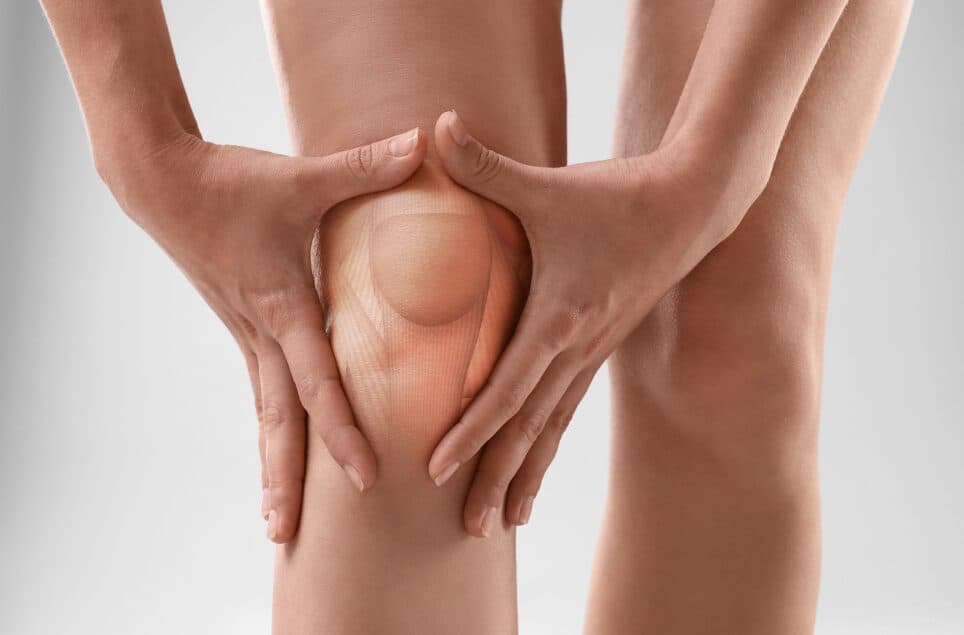
Meniscal Injuries
Knee cartilage tears causing pain, swelling, and difficulty bearing weight.
Learn More
Hip and Sacroiliac Joint Pain
Hip joint and pelvic girdle pain affecting gait and daily movement.
Learn More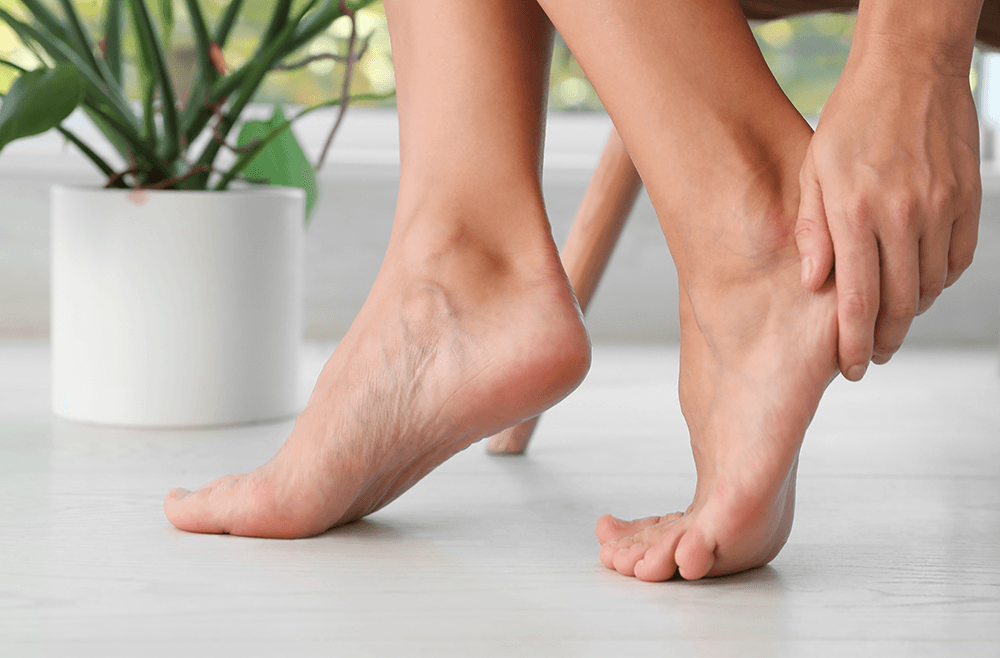
Ankle and Foot Pain
Lower extremity pain from injury, overuse, or structural dysfunction.
Learn MoreFrequently Asked
Knee Pain Questions
Schedule Your 20-Minute Complimentary Consultation
Find out if our integrated approach is right for your knee pain. No pressure — just clarity on your next step.