
Conditions We Treat
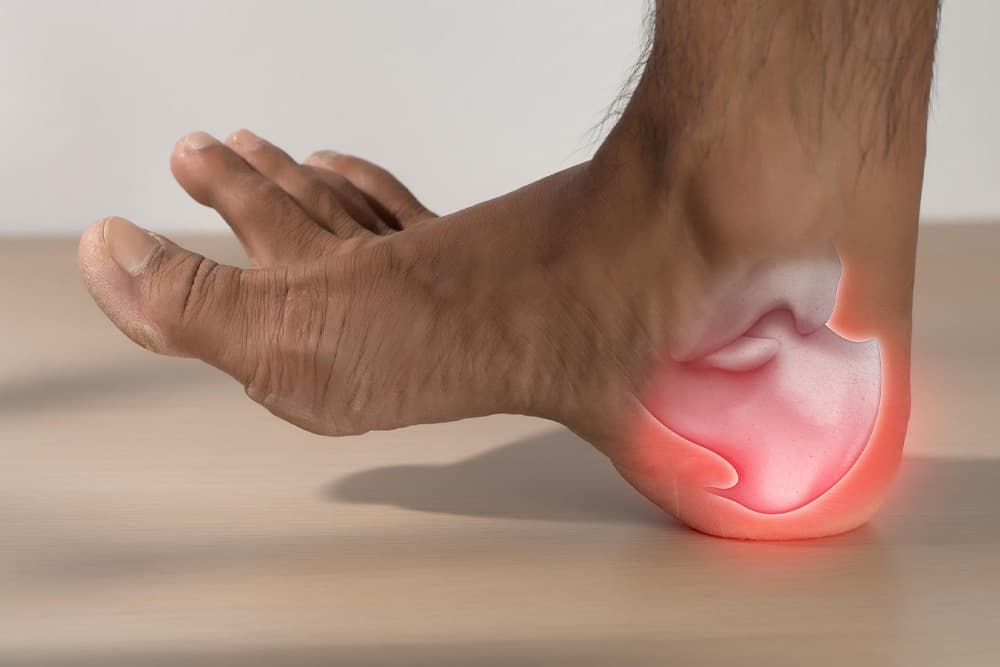
Plantar Fasciitis
Heel and arch pain from inflammation of the plantar fascia.
Overview
Understanding Plantar Fasciitis
Plantar fasciitis is one of the most common causes of heel pain, affecting the thick band of tissue (the plantar fascia) that runs along the bottom of the foot from the heel to the toes. When this tissue becomes overloaded, irritated, or develops fascial densifications, the result is a sharp, often debilitating pain that’s especially noticeable with the first steps of the day.
While rest and stretching can help temporarily, true resolution requires identifying the underlying drivers — calf and Achilles tightness, gait dysfunction, footwear choices, and movement patterns higher up the kinetic chain.
At FRI, we evaluate the whole system, not just the foot, and build a plan that resolves the pain and protects you from recurrence.
Recognising the Signs
Symptoms & Causes
Common Symptoms
- Sharp heel pain with the first steps in the morning
- Arch tightness or burning along the bottom of the foot
- Pain after long periods of standing or walking
- Discomfort that eases with movement, then returns after rest
- Tenderness when pressing on the inside of the heel
- Difficulty climbing stairs or pushing off when walking
Underlying Causes
- Overuse from running, walking, or prolonged standing
- Tight calves and Achilles tendon overloading the plantar fascia
- Gait dysfunction and overpronation of the foot
- Inadequate or worn-out footwear
- Sudden changes in activity, surface, or body weight
Our Approach
How We Treat Plantar Fasciitis
Every plan is built around your individual findings and combines the most effective evidence-based methods available.
Fascial Manipulation of the plantar fascia and posterior chain
Comprehensive gait and postural analysis
Joint mobilization of the foot, ankle, and lower kinetic chain
DNS-based foot and core stabilization exercises
Corrective exercise and progressive load management
Footwear and orthotic guidance when appropriate
Why FR Institute
The FRI Difference
Plantar fasciitis is rarely “just” a foot problem. At FRI we evaluate the foot, ankle, hip, and core together, then combine Fascial Manipulation with gait analysis and DNS-based rehab to resolve symptoms and correct the patterns that caused them. Most patients return to full activity — including running — without injections or surgery.
Explore More
Related Conditions
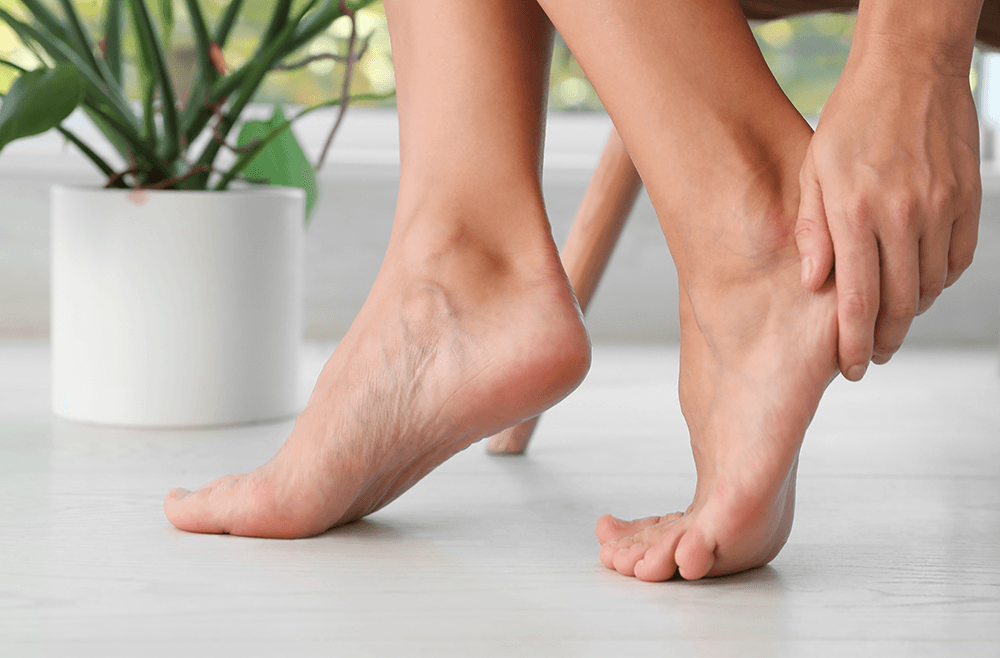
Ankle and Foot Pain
Lower extremity pain from injury, overuse, or structural dysfunction.
Learn More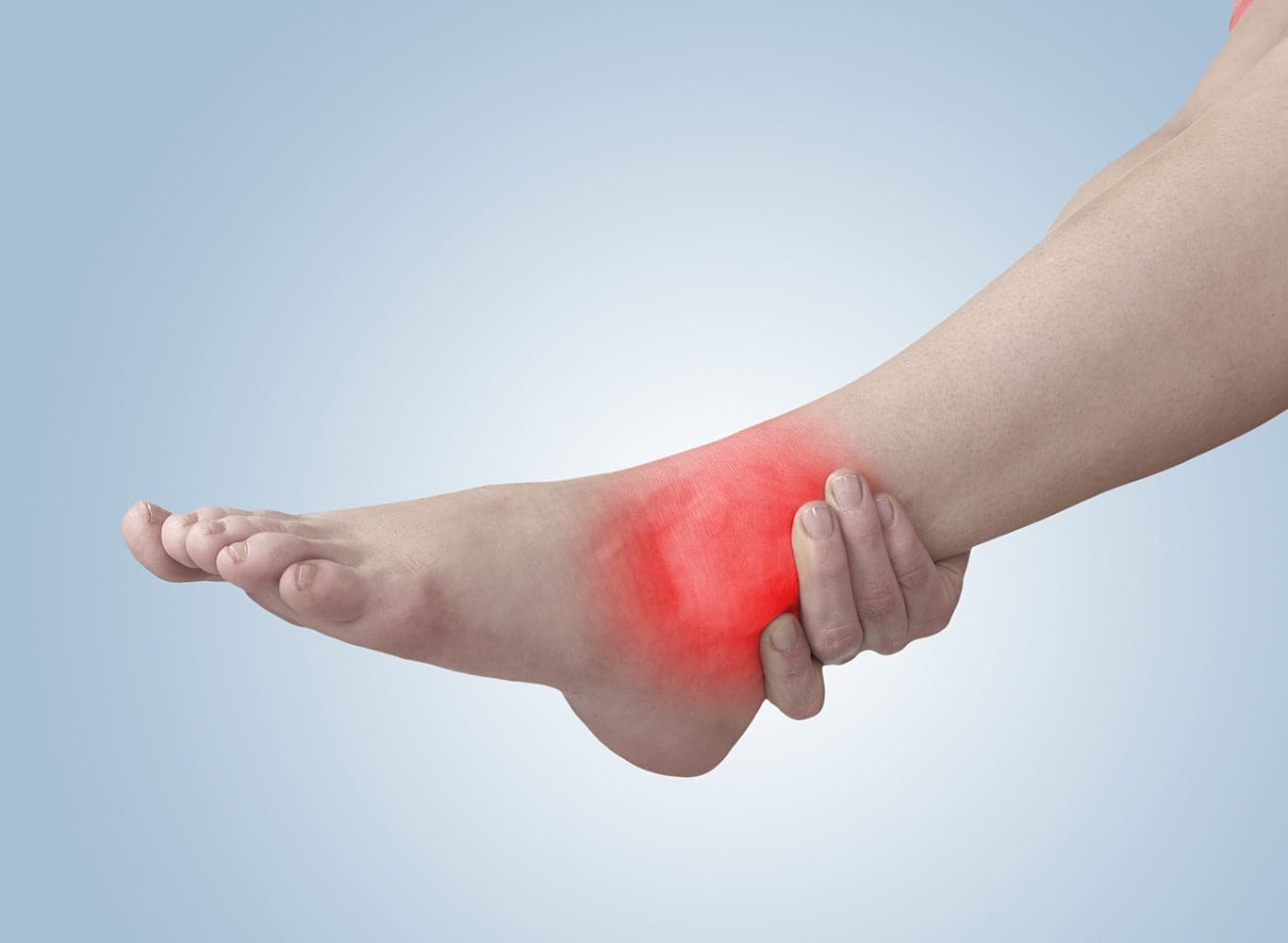
Tendinopathy
Chronic tendon degeneration causing persistent pain and reduced function.
Learn More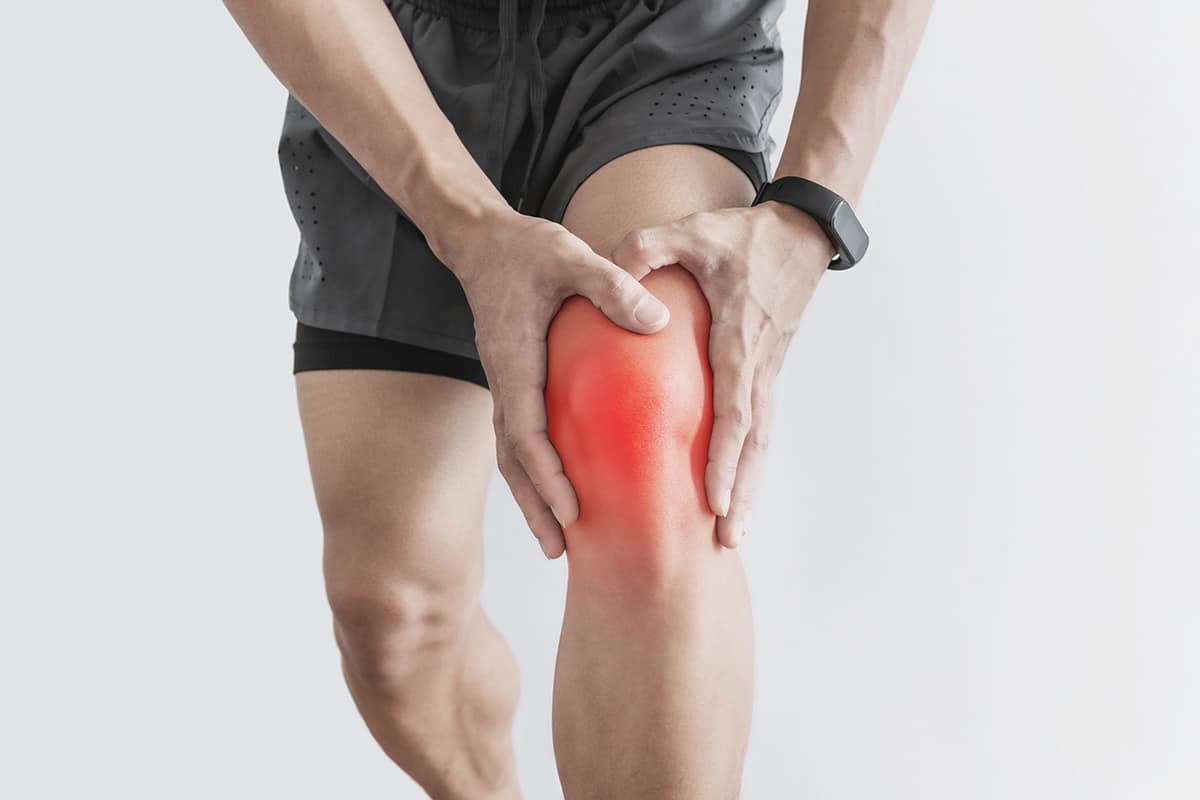
Knee Pain
Patellofemoral, ligament, and cartilage conditions affecting knee function.
Learn MoreFrequently Asked
Plantar Fasciitis Questions
Schedule Your 20-Minute Complimentary Consultation
Find out if our integrated approach is right for your plantar fasciitis. No pressure — just clarity on your next step.