

Neuromuscular Technique
Dynamic Neuromuscular Stabilization (DNS)
Re-train the body's deep stabilizing system using the same developmental patterns we were all born with.
What is Dynamic Neuromuscular Stabilization (DNS)?
Dynamic Neuromuscular Stabilization (DNS) is a clinical approach developed at the Prague School of Rehabilitation. It is grounded in developmental kinesiology — the principle that the human nervous system is genetically programmed with ideal patterns of stabilization and movement that emerge in the first year of life. When pain, injury, or sedentary lifestyles disrupt these patterns, the body compensates, and dysfunction follows.
DNS uses developmental positions (rolling, supine, quadruped, kneeling, standing) to re-engage the deep stabilizing system — diaphragm, pelvic floor, deep abdominal wall, and spinal stabilizers — in their original coordinated way. The result is a body that stabilizes from the inside out, the way it was designed to.
DNS is the backbone of the neuromuscular work we do at Functional Restoration Institute. Whether you are a high-level athlete or someone recovering from a chronic spine issue, the same principles apply: the deep system has to fire correctly before anything on top of it can be safely loaded.
Benefits
Benefits of Dynamic Neuromuscular Stabilization (DNS)
Activates the deep stabilizing system
DNS targets the diaphragm, pelvic floor, and deep core musculature that conventional core training often misses entirely.
Improves intra-abdominal pressure
Proper IAP regulation protects the spine under load and is foundational to safe lifting, running, and athletic performance.
Resolves long-standing back and pelvic issues
Many chronic spine cases respond to DNS after more conventional approaches have plateaued — because the underlying stability strategy is finally being addressed.
Translates to sport and daily life
DNS positions are progressed into the loaded patterns you actually use — squats, presses, gait, sport-specific demands.
Improves breathing mechanics
Because the diaphragm is both a respiratory and a postural muscle, DNS often produces meaningful improvements in breathing quality and stress regulation.
Your Visit
What to Expect at FR Institute
Your provider will assess how you currently stabilize — typically starting with breathing mechanics and IAP regulation in supine. From there we progress through developmental positions appropriate to your goal: quadruped, kneeling, half-kneeling, and standing variations.
DNS work is usually subtle. You will not leave dripping sweat — you will leave aware of muscles you did not realize you had. Most patients integrate DNS principles into their existing training, and the change shows up first in how easy familiar movements suddenly feel.
- 1
Assessment
Hands-on testing and movement analysis to identify exactly what is driving your symptoms.
- 2
Treatment
Targeted application of Dynamic Neuromuscular Stabilization (DNS), integrated with the broader plan you and your provider build together.
- 3
Recovery Plan
Clear next steps, take-home work, and re-assessment points so progress is measurable — not assumed.
Conditions
Conditions This Technique Helps
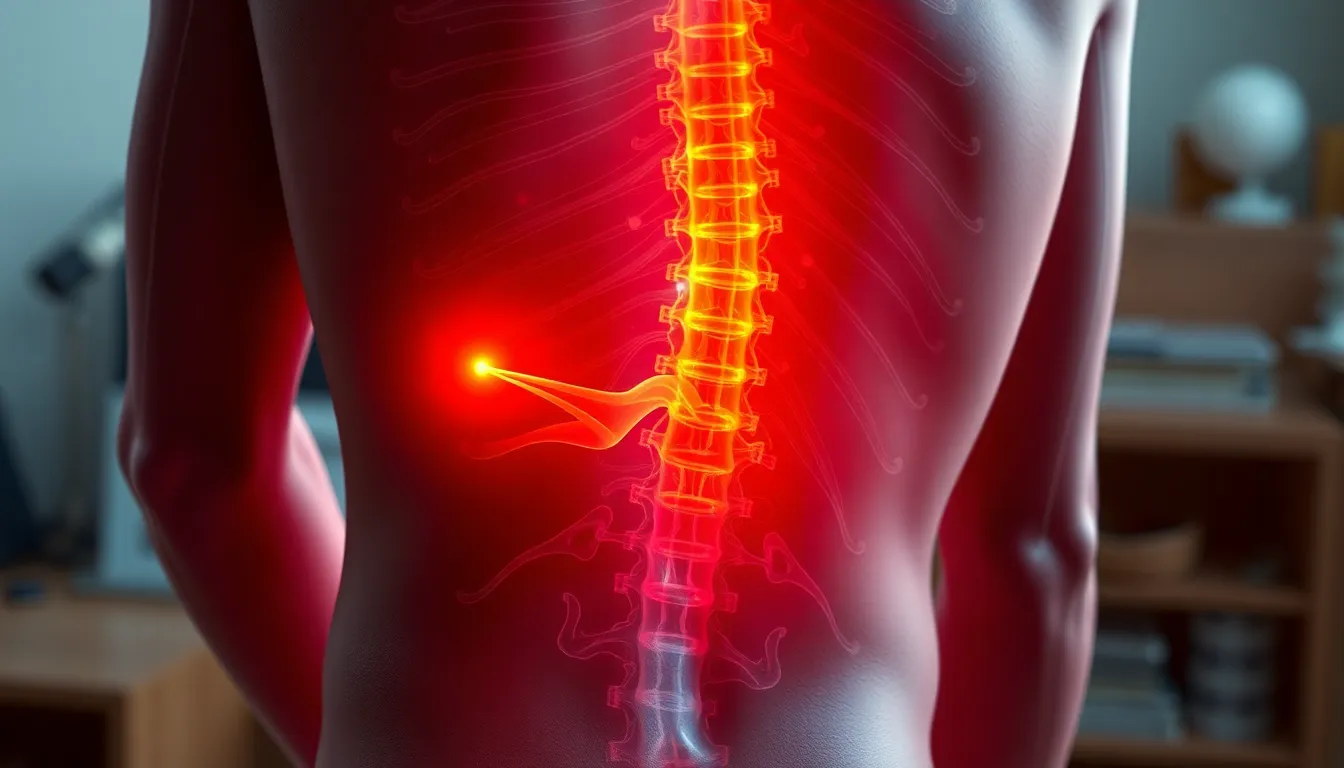
Lower Back Pain
Targeted, root-cause care for the lumbar spine — without medication or surgery.
Learn More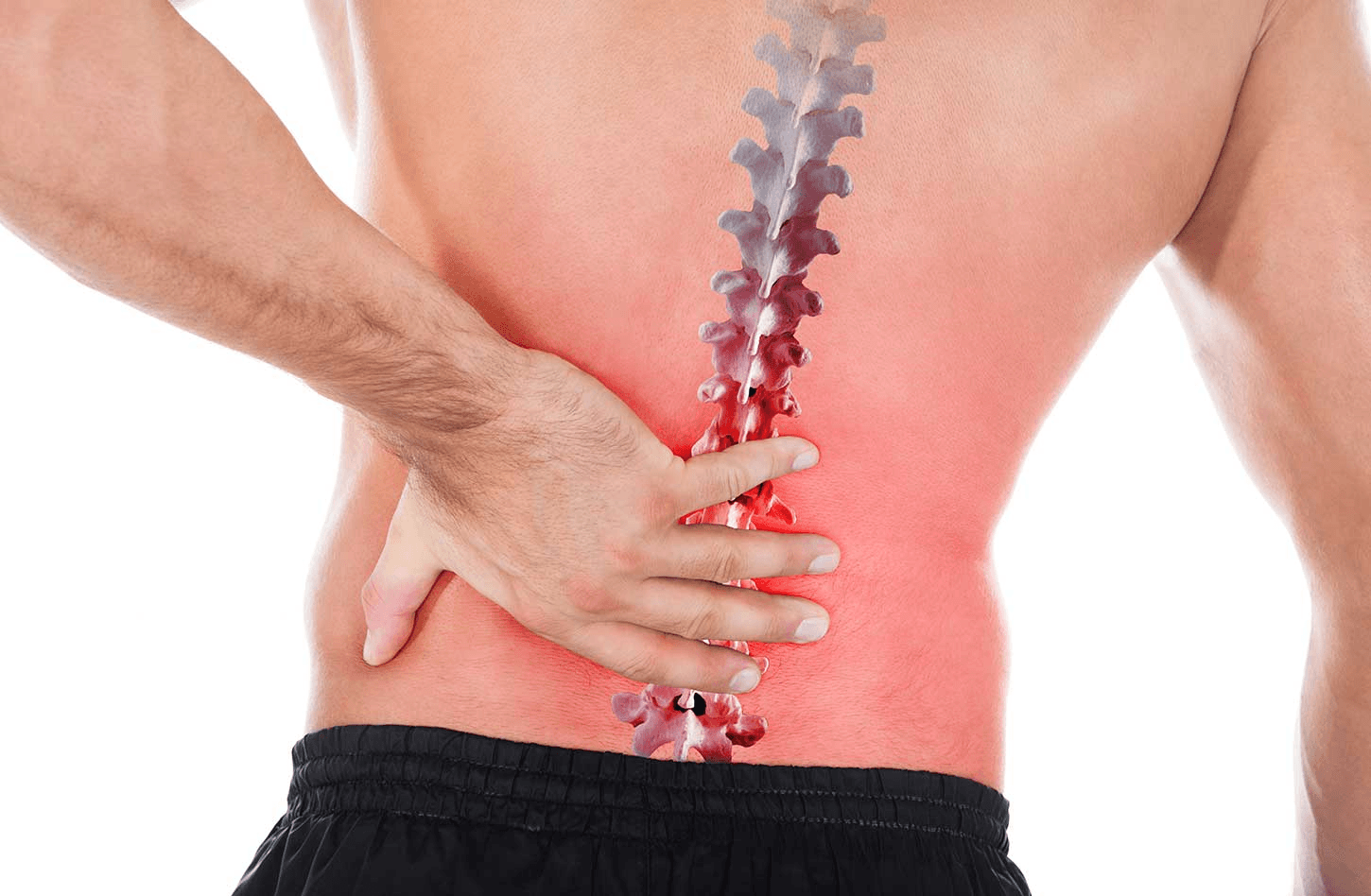
Disc Herniation
Non-surgical, evidence-based care for discogenic pain and disc herniations.
Learn More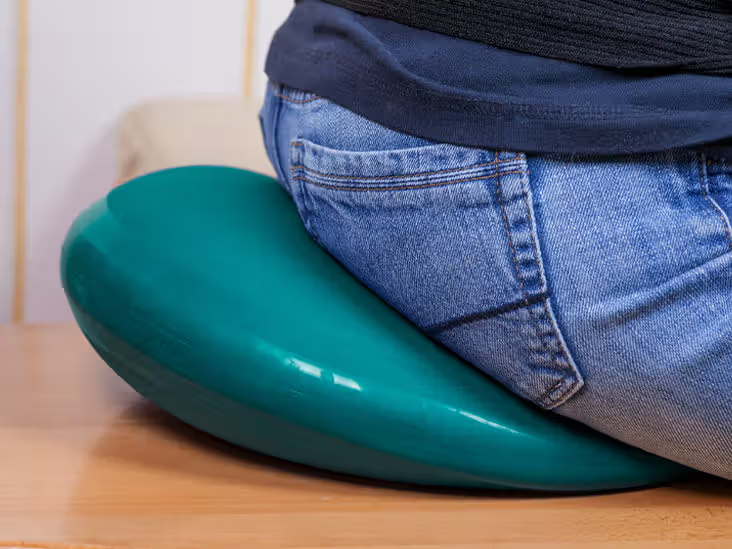
Hip and Sacroiliac Joint Pain
Hip joint and pelvic girdle pain affecting gait and daily movement.
Learn More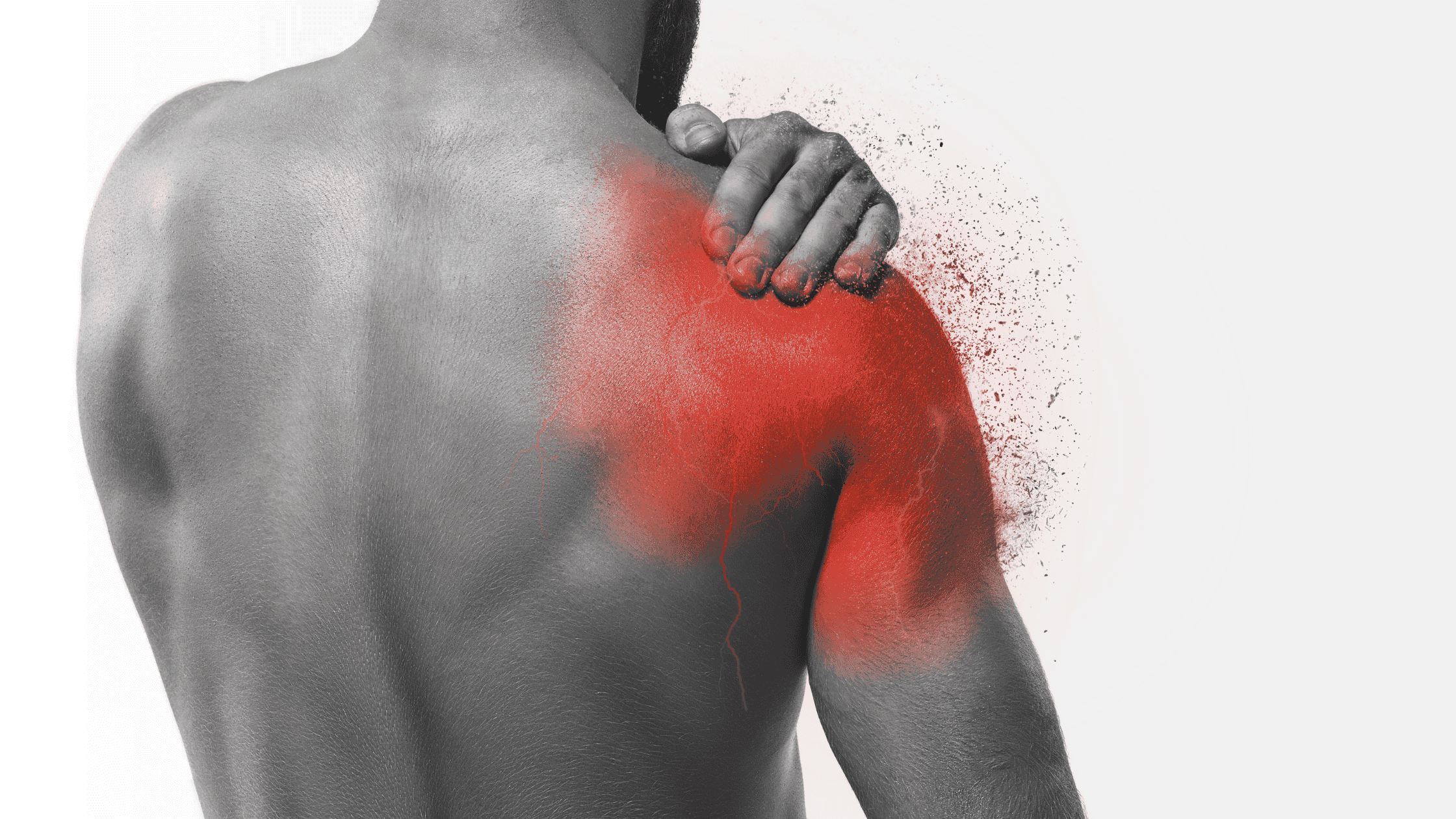
Shoulder Pain
Impingement, instability, and rotator cuff issues affecting shoulder mobility.
Learn More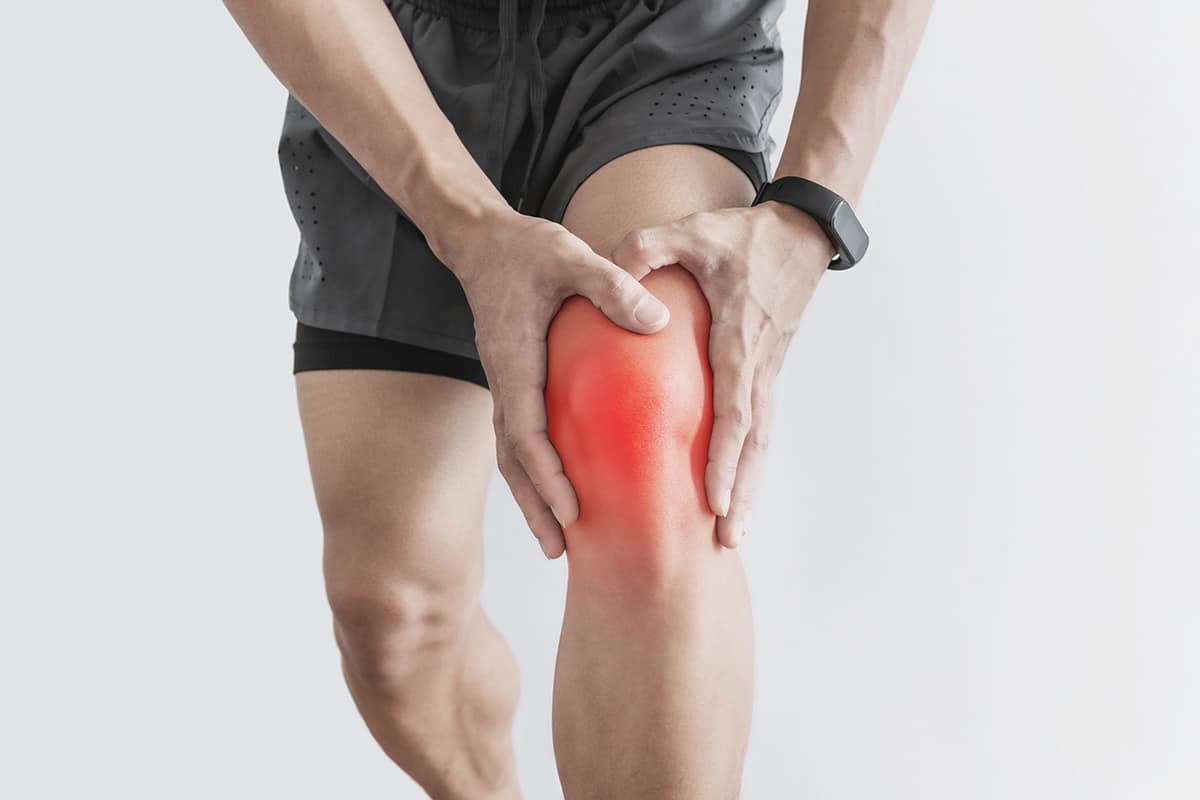
Knee Pain
Patellofemoral, ligament, and cartilage conditions affecting knee function.
Learn More
Chronic Pain
An integrated, biopsychosocial approach to pain that just won't quit.
Learn MoreExplore More
Other Techniques in Neuromuscular Rehabilitation
Frequently Asked
Frequently Asked Questions
Schedule Your 20-Minute Complimentary Consultation
Find out if Dynamic Neuromuscular Stabilization (DNS) is the right approach for your goals. No pressure — just clarity on your next step.