

Neuromuscular Technique
Neurodynamics / Nerve Flossing
Restore the nerve's ability to glide and lengthen — the missing link in many stubborn pain cases.
What is Neurodynamics / Nerve Flossing?
Nerves are not static — they need to slide, glide, and lengthen as you move. When neural tissue becomes restricted at any point along its course (from the spine to the periphery), it can produce pain, numbness, tingling, and weakness in patterns that often do not respond to standard musculoskeletal care.
Neurodynamics is the assessment and treatment of the nervous system as a moving structure. Using specific tension tests we identify which nerve is involved and where it is restricted. Treatment — often referred to as 'nerve flossing' or neural mobilization — uses precise, oscillating movements that mobilize the nerve relative to its surrounding tissue, restoring glide and reducing mechanical sensitivity.
At Functional Restoration Institute we use neurodynamics whenever symptoms have a neural quality (burning, electric, referred), and pair the work with addressing whatever soft tissue or joint restriction is contributing to the entrapment.
Benefits
Benefits of Neurodynamics / Nerve Flossing
Targets neural-source pain directly
Most musculoskeletal care addresses muscles and joints. Neurodynamics treats the actual nerve — often the missing piece in nerve pain cases.
Reduces nerve mechanical sensitivity
Sliders and tensioners progressively desensitize an irritated nerve so that normal movement no longer triggers symptoms.
Improves referred symptoms
Numbness, tingling, and weakness referring into a limb often improve as nerve glide and tolerance are restored.
Effective when other approaches stall
If a problem has not responded to muscle-and-joint care, the limiting factor is often the nerve itself — and neurodynamics addresses it.
Self-treatable at home
Once we identify the right pattern, you leave with a precise nerve-flossing exercise you can perform daily to maintain progress.
Your Visit
What to Expect at FR Institute
Your provider will perform specific neurodynamic tension tests (such as the slump test, straight leg raise, or upper limb tension test) to identify which nerve is involved. Once the pattern is clear, treatment uses small, controlled oscillations — sliders move the nerve through its bed, tensioners progressively expose it to load.
Movements are precise and rarely uncomfortable. You will be given a specific home flossing pattern with clear dosing instructions. Many patients notice less referred pain within the first 1–2 sessions.
- 1
Assessment
Hands-on testing and movement analysis to identify exactly what is driving your symptoms.
- 2
Treatment
Targeted application of Neurodynamics / Nerve Flossing, integrated with the broader plan you and your provider build together.
- 3
Recovery Plan
Clear next steps, take-home work, and re-assessment points so progress is measurable — not assumed.
Conditions
Conditions This Technique Helps
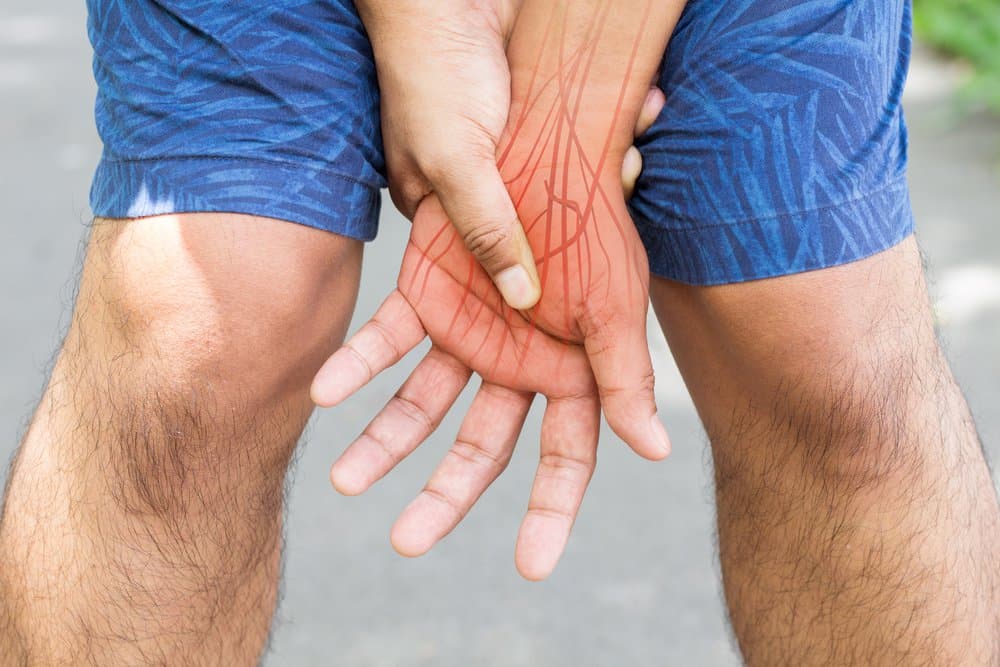
Nerve Pain
Gentle, non-invasive neurodynamic care with a 96% success rate for nerve-related injuries.
Learn More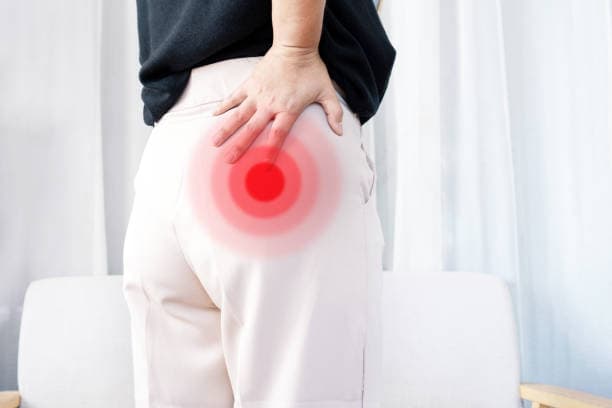
Sciatica Pain Relief
Calm the nerve, restore the glide, and get back to doing what you love.
Learn More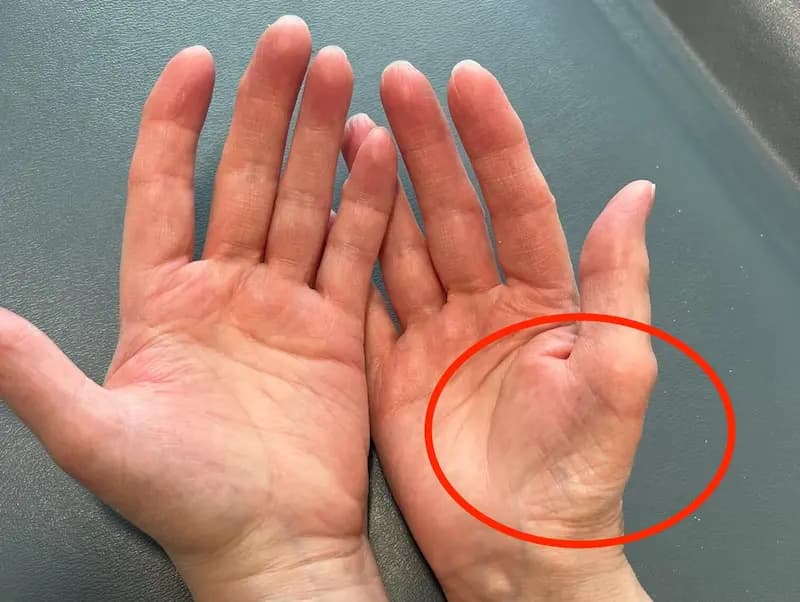
Carpal Tunnel Syndrome
Nerve compression in the wrist causing numbness, tingling, and weakness.
Learn More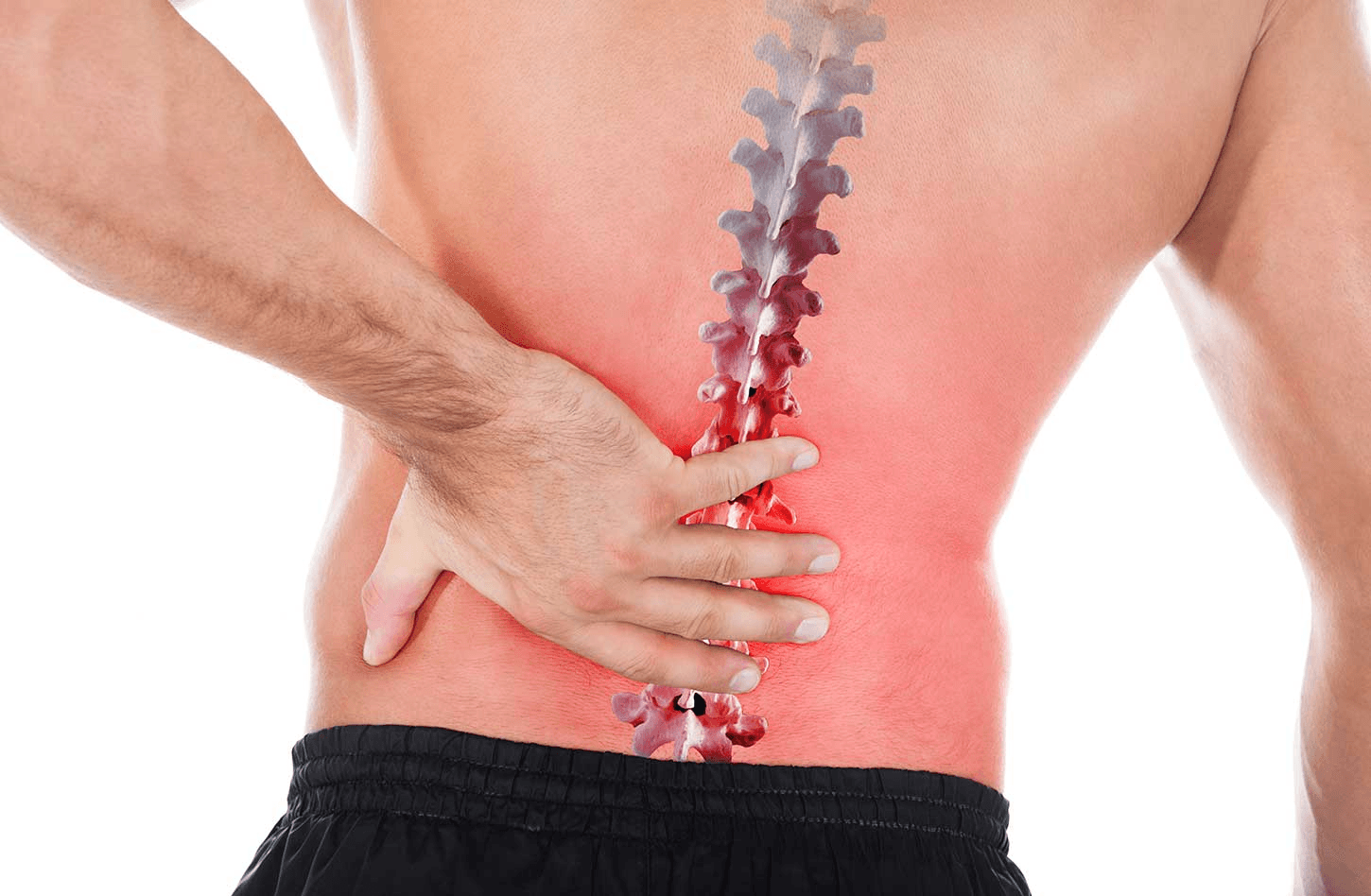
Disc Herniation
Non-surgical, evidence-based care for discogenic pain and disc herniations.
Learn More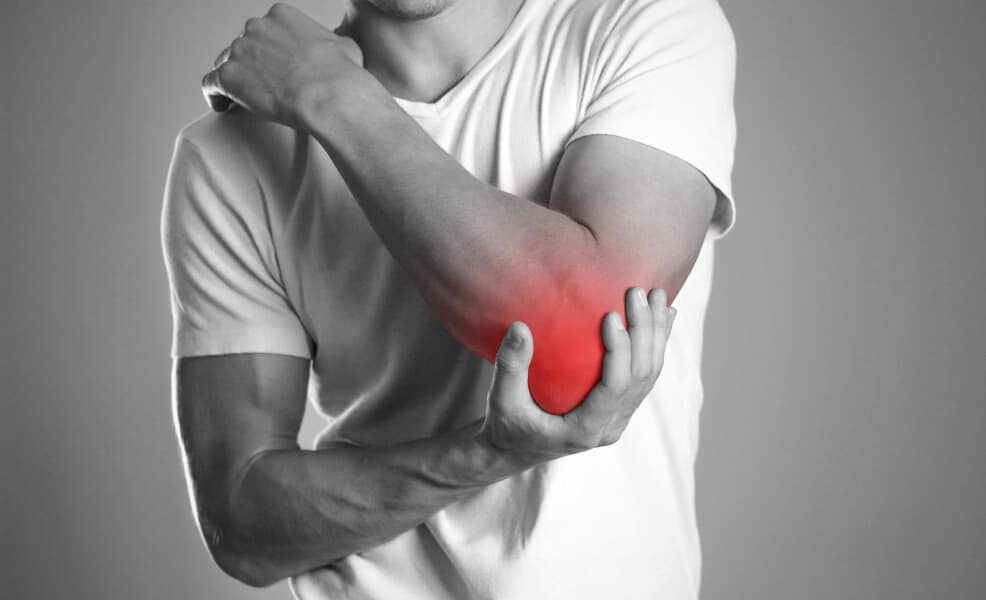
Elbow Pain
Lateral and medial epicondylitis and nerve entrapment at the elbow.
Learn MoreExplore More
Other Techniques in Neuromuscular Rehabilitation
Frequently Asked
Frequently Asked Questions
Schedule Your 20-Minute Complimentary Consultation
Find out if Neurodynamics / Nerve Flossing is the right approach for your goals. No pressure — just clarity on your next step.