
Conditions We Treat
Disc Herniation
Non-surgical, evidence-based care for discogenic pain and disc herniations.
Overview
Understanding Disc Herniation
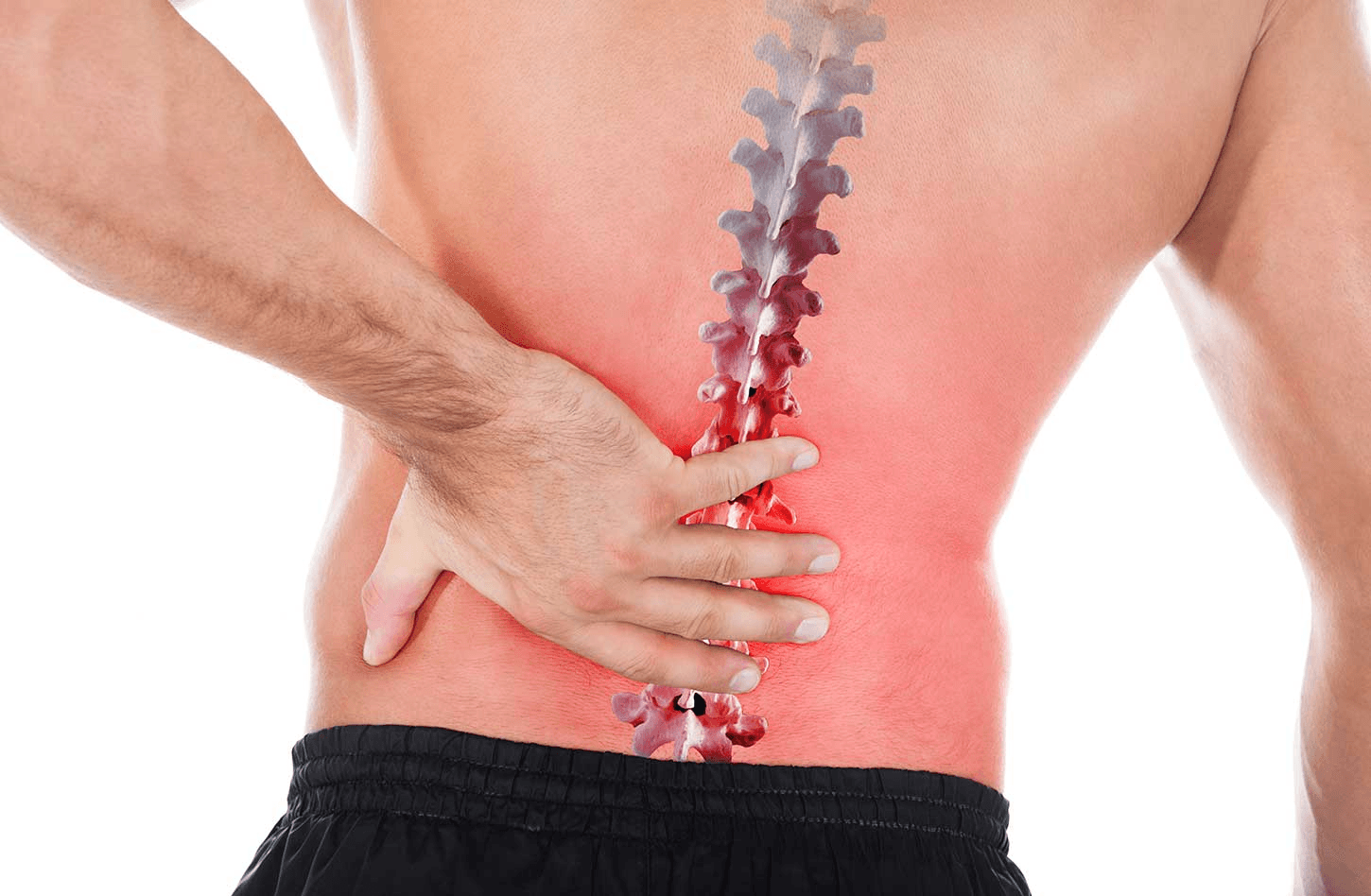
Discogenic pain refers to pain that originates from the intervertebral disc — the cushion-like structure located between two vertebrae in the spine. One common form is disc herniation, which happens when the outer layer of the disc tears and the inner material protrudes, putting pressure on a nerve root.
It's important to note that not all discogenic pain is caused by a visible herniation. Disc degeneration, annular tears, and chemical irritation can all contribute, and pain can occur even when an MRI looks unremarkable.
Accurately diagnosing the underlying driver is critical to a treatment plan that actually resolves the problem rather than masking it.
Recognising the Signs
Symptoms & Causes
Common Symptoms
- Localized lower back, mid-back, or neck pain depending on the level
- Sharp, shooting, or burning pain radiating into an arm or leg
- Numbness or tingling along a specific nerve distribution
- Muscle weakness in the limb supplied by the affected nerve
- Pain worse with prolonged sitting, bending, or lifting
- Pain that centralizes (moves toward the spine) with specific movements
Underlying Causes
- Repetitive flexion, lifting, and rotational stress over time
- Disc degeneration with loss of hydration and height
- Annular tears with chemical irritation of the nerve root
- Acute trauma or sudden axial loading of the spine
- Genetics, smoking, and metabolic factors that accelerate disc wear
Our Approach
How We Treat Disc Herniation
Every plan is built around your individual findings and combines the most effective evidence-based methods available.
Thorough evaluation to differentiate true herniation from other discogenic pain
McKenzie Method (MDT) for directional preference and centralization
Neurodynamic mobilization to restore healthy nerve glide
Joint mobilization and adjustments above and below the affected segment
Targeted corrective exercise and DNS-based stabilization
Patient education on positions, lifting mechanics, and self-care
Why FR Institute
The FRI Difference
our doctors take a comprehensive approach to discogenic pain and disc herniations, performing a thorough evaluation to determine the true underlying cause before designing an individualized plan. We rely heavily on the McKenzie Method — a systematic approach that emphasizes patient education and self-treatment — which has shown great success in reducing pain and restoring function without injections or surgery.
Explore More
Related Conditions
Lower Back Pain
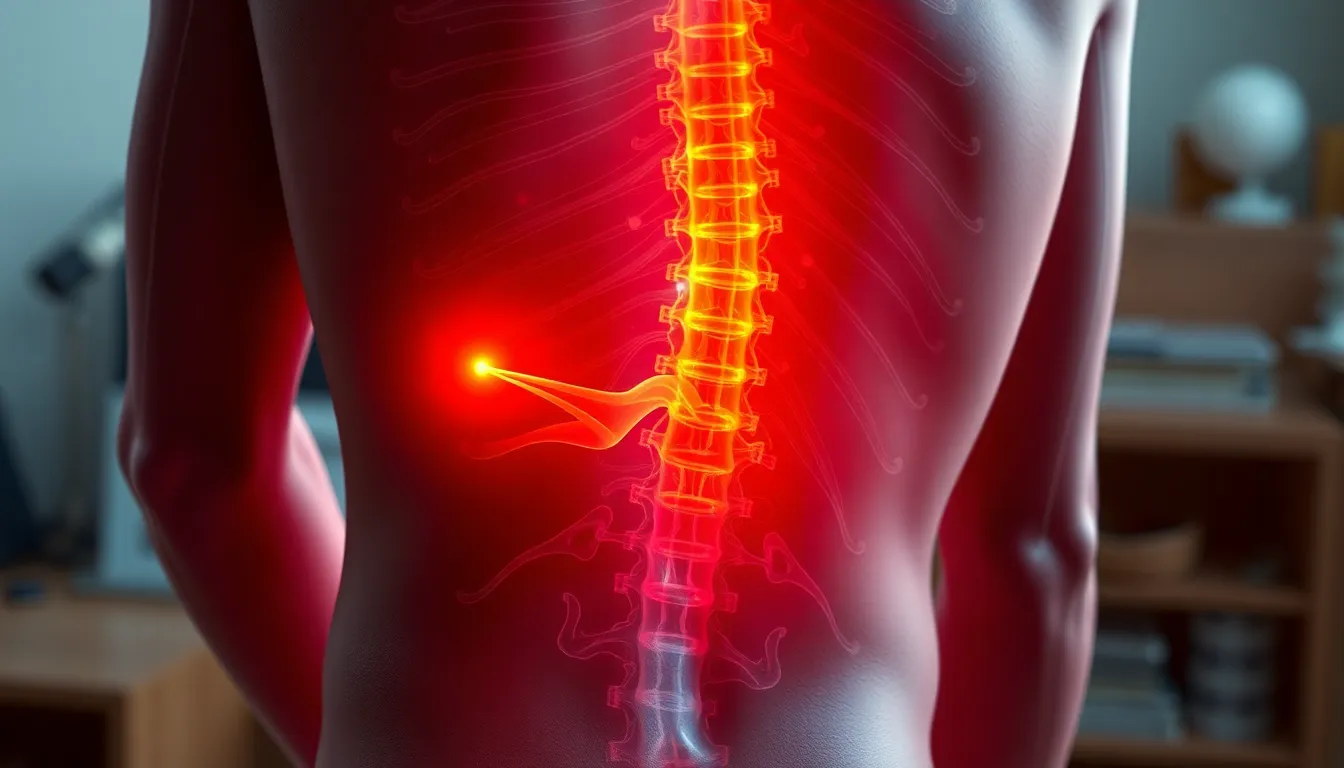
Targeted, root-cause care for the lumbar spine — without medication or surgery.
Learn More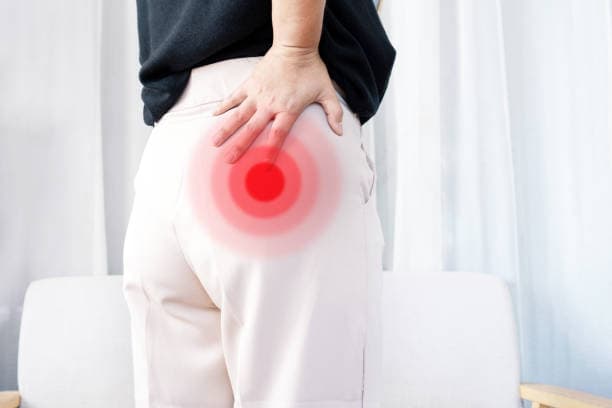
Sciatica Pain Relief
Calm the nerve, restore the glide, and get back to doing what you love.
Learn More
Nerve Pain
Gentle, non-invasive neurodynamic care with a 96% success rate for nerve-related injuries.
Learn MoreFrequently Asked
Disc Herniation Questions
Schedule Your 20-Minute Complimentary Consultation
Find out if our integrated approach is right for your disc herniation. No pressure — just clarity on your next step.