
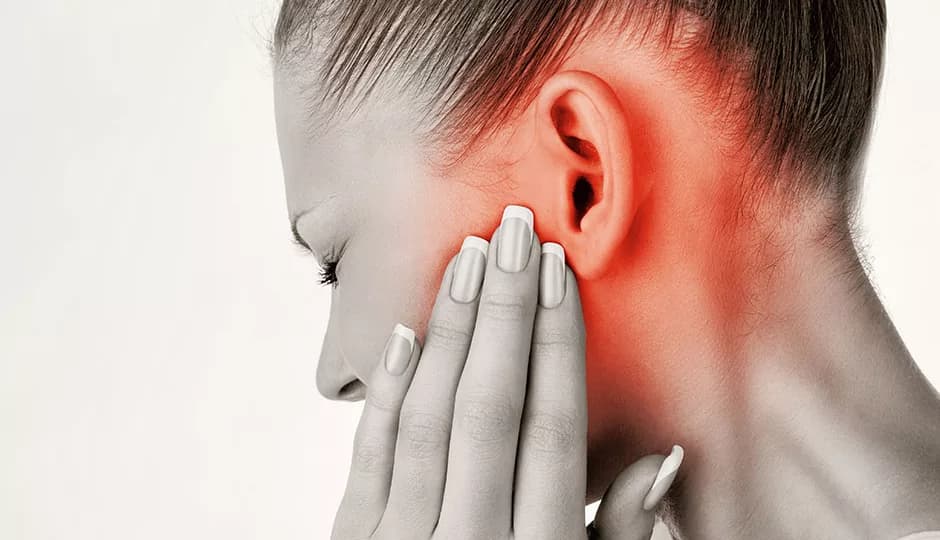
Conditions We Treat
Temporomandibular Joint (TMJ) Dysfunction
Jaw pain, clicking, and restricted movement from temporomandibular dysfunction.
Overview
Understanding Temporomandibular Joint (TMJ) Dysfunction
Temporomandibular joint (TMJ) dysfunction encompasses a group of conditions affecting the jaw joint and the muscles that move it. Symptoms range from a quiet click on opening to severe pain, headaches, restricted opening, and ear pressure.
The jaw doesn't function in isolation: the upper cervical spine, posture, breathing pattern, and stress all influence how the TMJ behaves. That's why TMJ care that focuses only on the jaw so often falls short.
At FRI, our integrated approach addresses the cervical spine, the jaw musculature, the trigeminal nerve system, and the systemic stress and inflammatory drivers — producing meaningful, lasting relief.
Recognising the Signs
Symptoms & Causes
Common Symptoms
- Jaw pain at rest or with chewing
- Clicking, popping, or grating with mouth opening
- Limited or asymmetric mouth opening
- Headaches, especially in the temples
- Ear pain, fullness, or ringing
- Neck stiffness and shoulder tension
Underlying Causes
- Muscle tension from clenching or grinding (bruxism)
- Cervical spine dysfunction influencing the jaw
- Stress and altered breathing patterns
- Trauma to the jaw or whiplash
- Postural habits (forward head, prolonged screen use)
Our Approach
How We Treat Temporomandibular Joint (TMJ) Dysfunction
Every plan is built around your individual findings and combines the most effective evidence-based methods available.
Cervical spine assessment and treatment (key TMJ driver)
Soft-tissue work for the masseter, temporalis, and pterygoids
Joint mobilization of the TMJ when appropriate
Neurodynamic techniques for trigeminal nerve involvement
Posture and breathing retraining
Functional Medicine support for stress and inflammation
Why FR Institute
The FRI Difference
TMJ dysfunction lives at the intersection of joint, fascia, nerve, posture, and stress — and that's exactly the kind of multifactorial problem our three-pillar model is designed to resolve. Patients who have bounced between dentists, ENTs, and physical therapists frequently find their answer at FRI.
Explore More
Related Conditions

Headache
Address the fascial, joint, and systemic drivers behind tension headaches and migraines.
Learn More
Neck Pain
Restore mobility, calm nerves, and ease your neck — without surgery or injections.
Learn More
Myofascial Pain
Restore fascial glide, mobility, and comfort with a 96% success rate.
Learn MoreFrequently Asked
Temporomandibular Joint (TMJ) Dysfunction Questions
Schedule Your 20-Minute Complimentary Consultation
Find out if our integrated approach is right for your temporomandibular joint (tmj) dysfunction. No pressure — just clarity on your next step.