
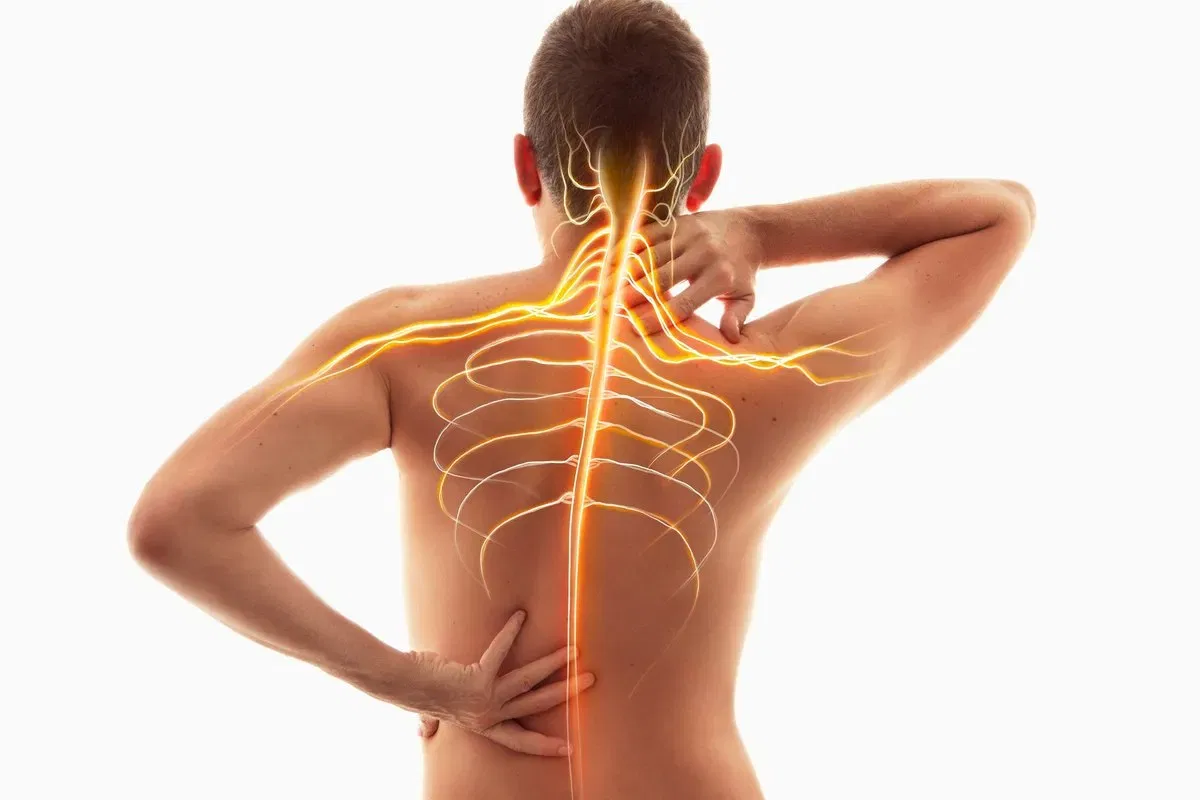
Nerve pain can sneak up quietly. It may feel like burning in your foot, pins and needles in your hand, an electric shock down your leg, or a weird mix of numbness and weakness. Many people shrug it off and blame a hard workout, a long drive, or sleeping in a strange position.
The problem is, nerves often start whispering before they start screaming. When those early signals are ignored, irritation can build, recovery can take longer, and in some cases nerves can be damaged. In this article, we will talk about common hidden triggers of nerve pain, how to know when it is no longer safe to “wait and see,” and why an integrative, non-surgical approach can be helpful for people living and staying active in Orange County.
Silent Clues Your Nerves Are Crying for Help
Nerve pain does not always feel like a sharp stab. It can show up as:
- Burning or hot feelings
- Tingling or “pins and needles”
- Electric shock zaps
- Numbness or “dead” areas
- Weakness or clumsiness in a limb
Because these symptoms come and go, many people think it is just muscle soreness or a stiff joint. They stretch a little, take something for pain, and push through.
When early nerve symptoms are ignored, a few things can happen:
- Swelling and pressure around the nerve can build
- The brain can become more sensitive to pain signals
- Recovery can take longer and feel harder
- In some cases, there can be lasting changes in how the nerve works
At Functional Restoration Institute in Mission Viejo, we focus on finding the root cause of nerve pain, not just dulling it. Our care combines chiropractic sports medicine, neuromuscular rehabilitation, and functional medicine to help people stay active through the late-summer season without jumping straight to unnecessary surgery.
Everyday Habits That Quietly Irritate Your Nerves
You do not have to have a big injury for nerves to get upset. Daily habits can slowly irritate them.
Posture and tech strain are a big one. Long commutes, laptop work at a kitchen table, and hours looking down at a phone can:
- Compress nerves in the neck and shoulders
- Tighten muscles around the upper back and chest
- Irritate nerves in the wrists and forearms
This can show up as numb hands at night, sciatica-like pain down the leg, or headaches that start at the base of the skull.
Summer can also bring fitness and sports overload. When people suddenly ramp up:
- Running or hiking on the trails
- Pickleball, tennis, or beach volleyball
- Higher-intensity gym classes
it can strain muscles that sit close to nerves. For example, tight hip muscles can squeeze the sciatic nerve, and tension around the collarbone can crowd nerves going into the arm. These are often called nerve entrapments.
Work and lifestyle patterns also matter. Repetitive motions, like typing or mousing all day, assembly work, heavy lifting, or long hours of sitting or standing, can slowly irritate nerves. Simple changes in ergonomics, work breaks, and how you move can lower the risk, especially when paired with guided care.
Underlying Health Conditions That Magnify Nerve Pain
Sometimes the nerve is not the only problem. The body’s inner health can make nerve pain feel louder.
Metabolic and inflammatory issues can be big triggers. When blood sugar is not well controlled, as with prediabetes or diabetes, nerves can become more fragile. Chronic inflammation or autoimmune issues can also make nerves more sensitive, so even a small pinch can feel like big pain.
Nutrient and hormone imbalances can slow nerve healing. Deficiencies in areas like:
- B vitamins
- Vitamin D
- Magnesium
along with thyroid or other hormone changes, can affect how well nerves repair and send signals. People may notice more tingling, burning, or restless, buzzing legs at night when these systems are off.
Gut health, sleep, and stress levels also play a role. Poor sleep gives the nervous system less time to reset. Ongoing stress can tighten muscles, raise inflammation, and change how the brain reads pain. Gut problems can affect nutrient absorption and immune balance. A functional medicine approach looks at these deeper layers to see how they might be adding fuel to nerve irritation.
When “Wait and See” Becomes Too Risky
Some nerve symptoms are your body saying, “Do not wait.”
Red-flag signs that need prompt attention include:
- Worsening numbness or weakness in an arm or leg
- Trouble with bowel or bladder control
- New changes in balance or coordination
- Pain that wakes you at night or never lets up
- Symptoms that start in one spot and then spread
There is a difference between short-term irritation and something more serious. It is common to feel a bit stiff or tingly after a long drive, a hard hike, or a new workout. If those symptoms fade within a few days and do not keep coming back, that is often less worrisome.
But it is important to get checked when:
- Nerve pain or tingling lasts more than 2 to 4 weeks
- Symptoms keep returning with certain activities
- Each flare seems stronger or longer than the last
In Orange County, late summer often means more hiking, beach sports, road trips, and time on your feet. It can be easy to blame nerve pain on “just being active” and ignore it because the season is fun and busy. If the same pain keeps showing up, that is a sign your nerves need more than rest and stretching.
What Integrative Nerve Pain Care Looks Like in Orange County
Nerve pain treatment in Orange County does not have to mean jumping straight to surgery or only relying on quick symptom relief. At Functional Restoration Institute, we use an integrative model that looks at the whole person.
First, we focus on a comprehensive, root-cause evaluation. This can include:
- Orthopedic and neurologic exams
- Movement and posture analysis
- A look at how you sit, stand, work, and train
- Functional medicine testing when needed
Our goal is to see how joints, muscles, nerves, chemistry, and lifestyle all connect.
From there, treatment is non-surgical and multi-layered. Care may blend chiropractic sports medicine to reduce joint and nerve pressure, neuromuscular rehabilitation to retrain movement and build stability, and targeted nutrition and lifestyle strategies to lower inflammation and support nerve healing.
We know many people in our area want to stay active, not stop everything they enjoy. Plans are personalized to match that. We help adjust training schedules, tweak work setups, and guide daily routines so you can keep moving with less pain and a lower chance of flare-ups as summer winds down and schedules start to shift.
Your Next Steps to Protect and Heal Your Nerves
A good starting point is a simple self-check. Ask yourself:
- Do I have burning, tingling, or numbness that keeps coming back?
- Does sitting, driving, or tech use make symptoms worse?
- Are sleep, stress, or energy levels poor?
Small home changes like more frequent micro-breaks, gentle stretching, better hydration, and a focus on solid sleep can sometimes calm mild, short-term irritation. If symptoms clearly improve over a week or two and then stay quiet, that is a good sign.
If nerve pain is getting in the way of work, sleep, or favorite activities, or it is lasting and intensifying instead of settling down, it may be time for a deeper look. At Functional Restoration Institute, our integrative approach is built to uncover the less obvious triggers behind nerve pain and to support healing in a way that fits an active Orange County lifestyle.
Take the First Step Toward Lasting Nerve Pain Relief
If nerve pain is limiting your daily life, we are here to help you find a clearer path forward. At Functional Restoration Institute, our specialists provide comprehensive evaluations and personalized nerve pain treatment in Orange County focused on long-term results, not quick fixes. Reach out today through our contact page so we can discuss your symptoms, answer your questions, and help you decide on the next best step for your care.